REFORMED partners launch new development programme
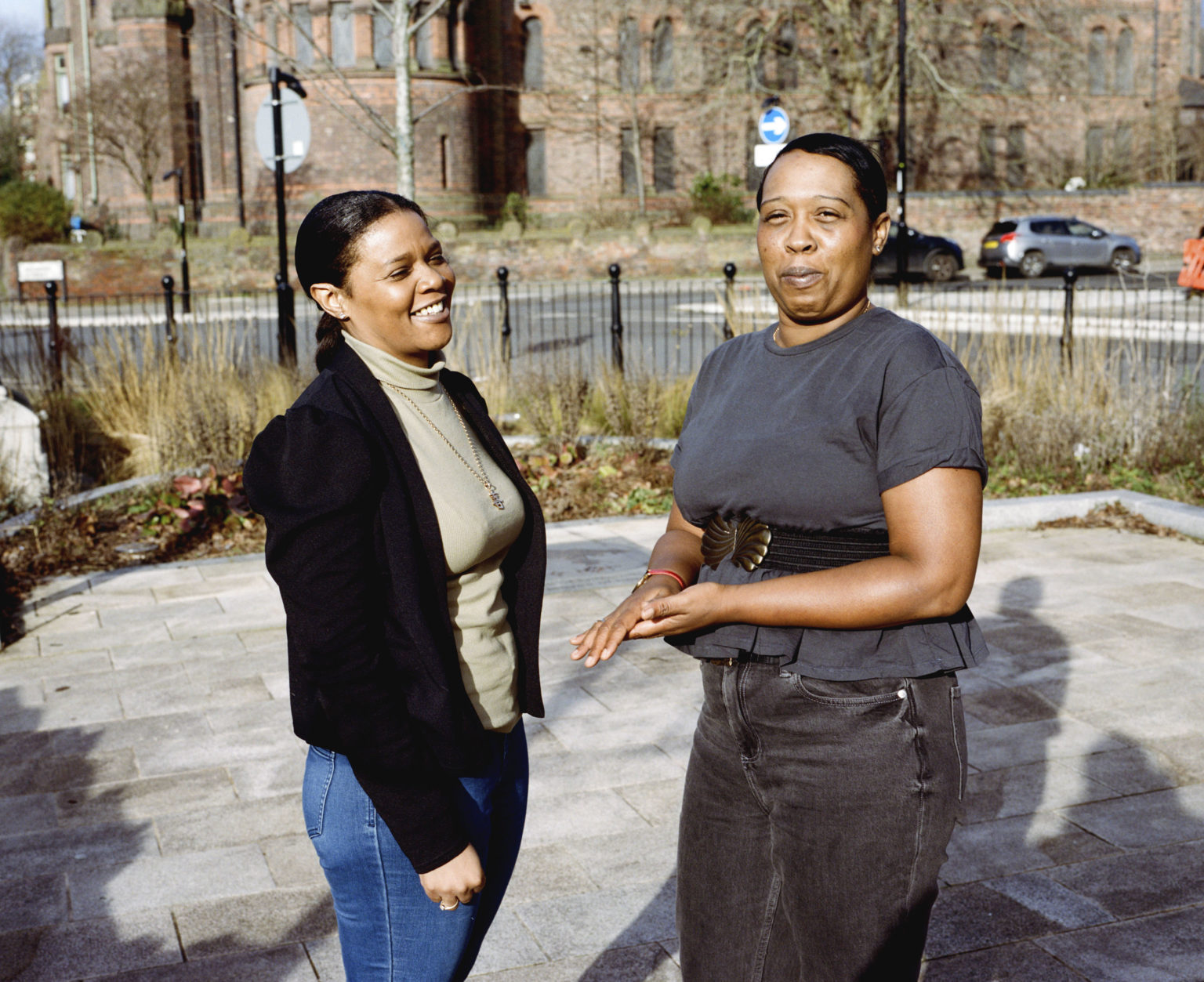
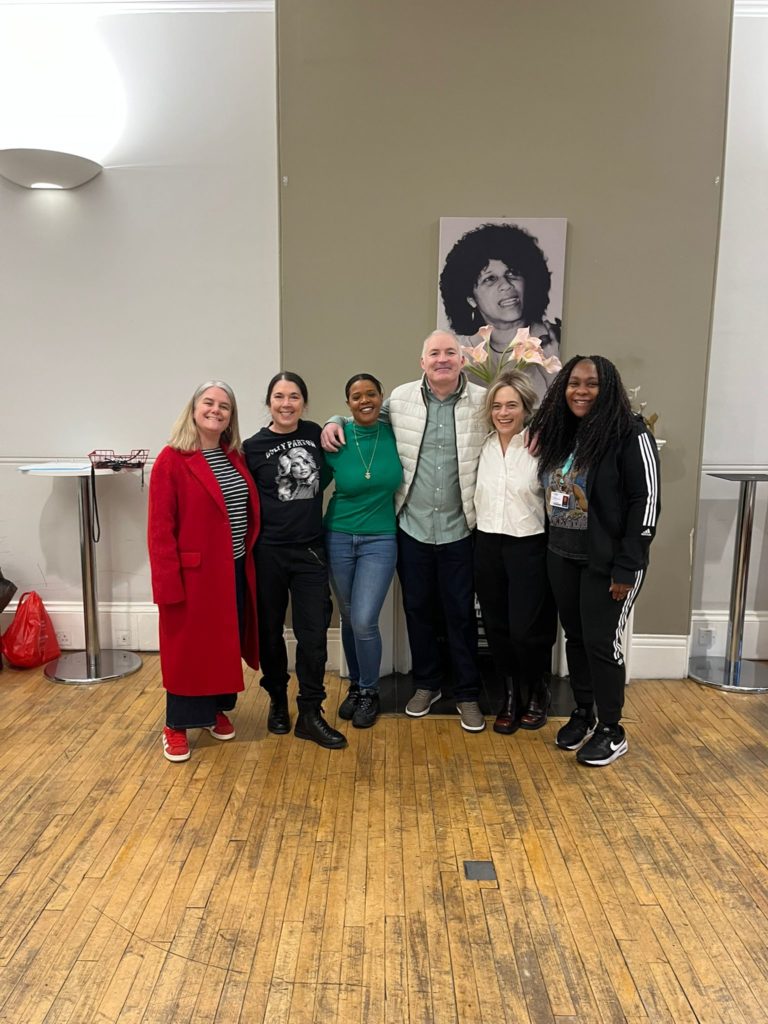
📣In September 2025 our research partners Tasha and Kemi from Reformed Development will launch a new empowerment programme. The Mindset Programme is aimed at women with convictions. It will run for 12 weeks from 3rd September and focus on:
✨️Employability. ✨️Goal Setting. ✨️Increased self-belief and confidence.
To register your interest, visit: https://www.reformed16.com/mindset
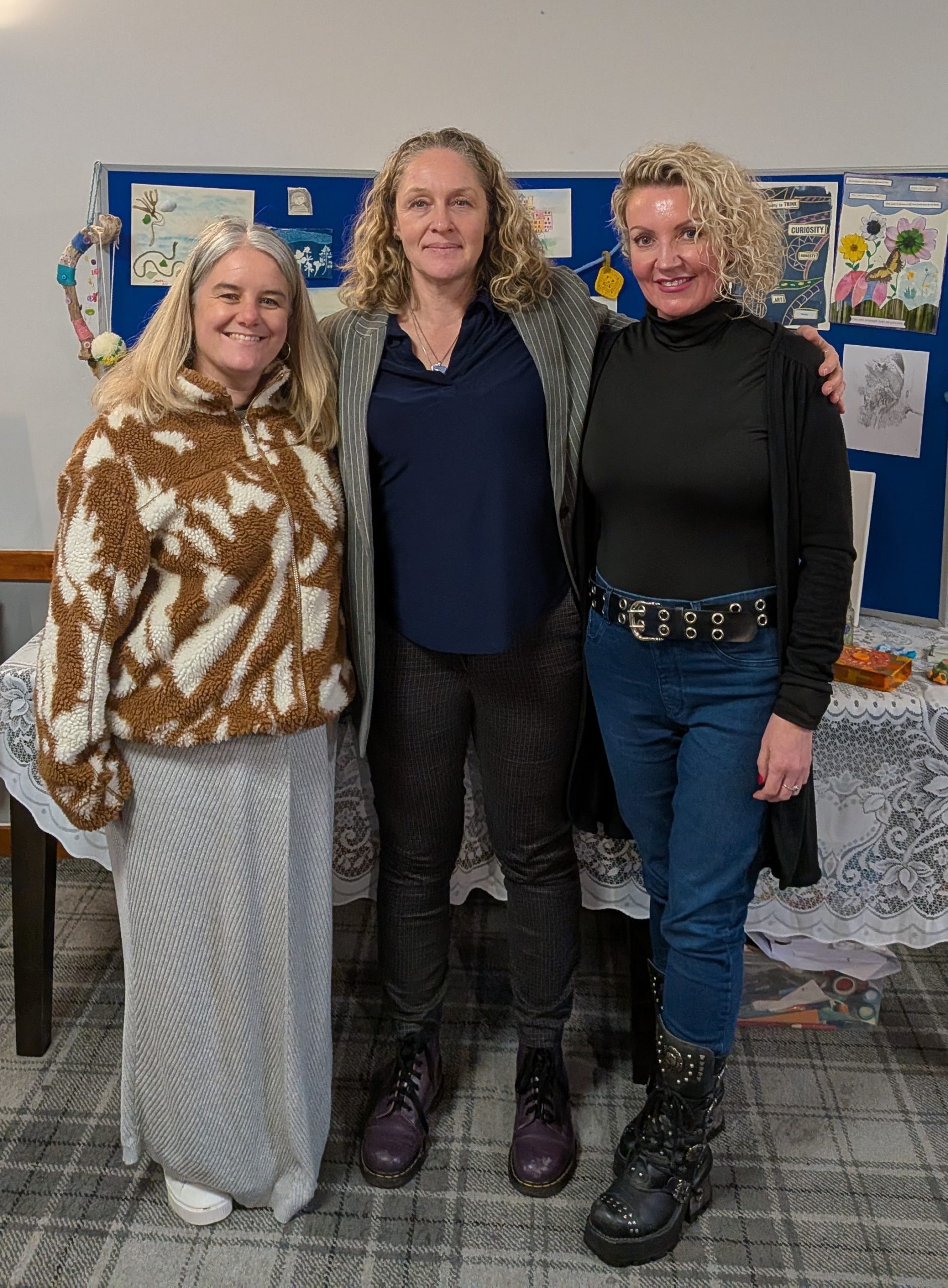
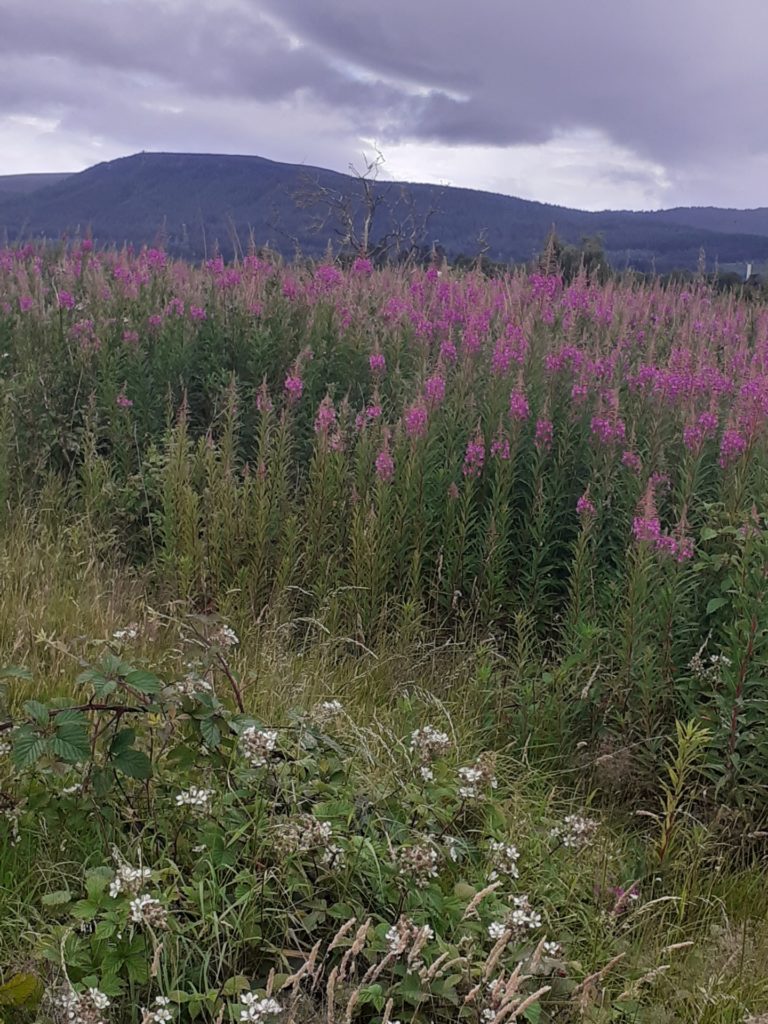
In February 2026, team members attended the Flip of the Coin and REALITIES Conference, Alness, Scottish Highlands to share findings from a photovoice study of Flip of the Coin, a women-led and lived experience driven community organisation in Scotland.
Founded and led by a woman who wanted to create the community she herself had lacked before and after imprisonment, Flip of the Coin is rooted in the belief that lived experiences, particularly of adversity, disconnection and transition can offer important insights to help shape healthier communities.
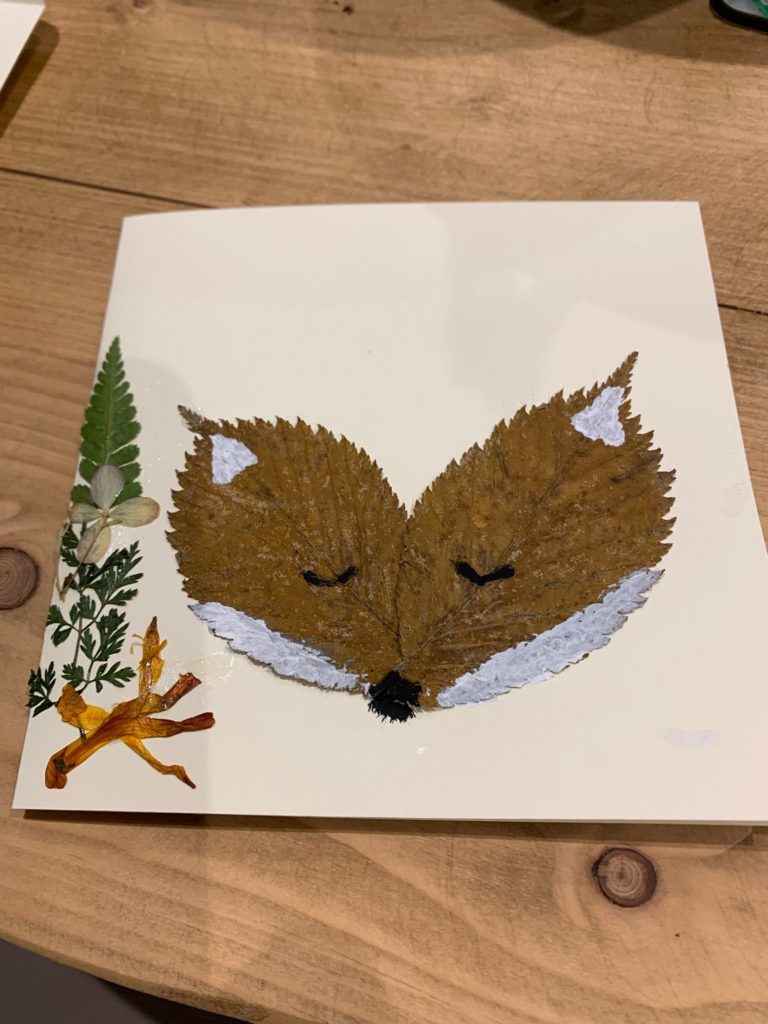
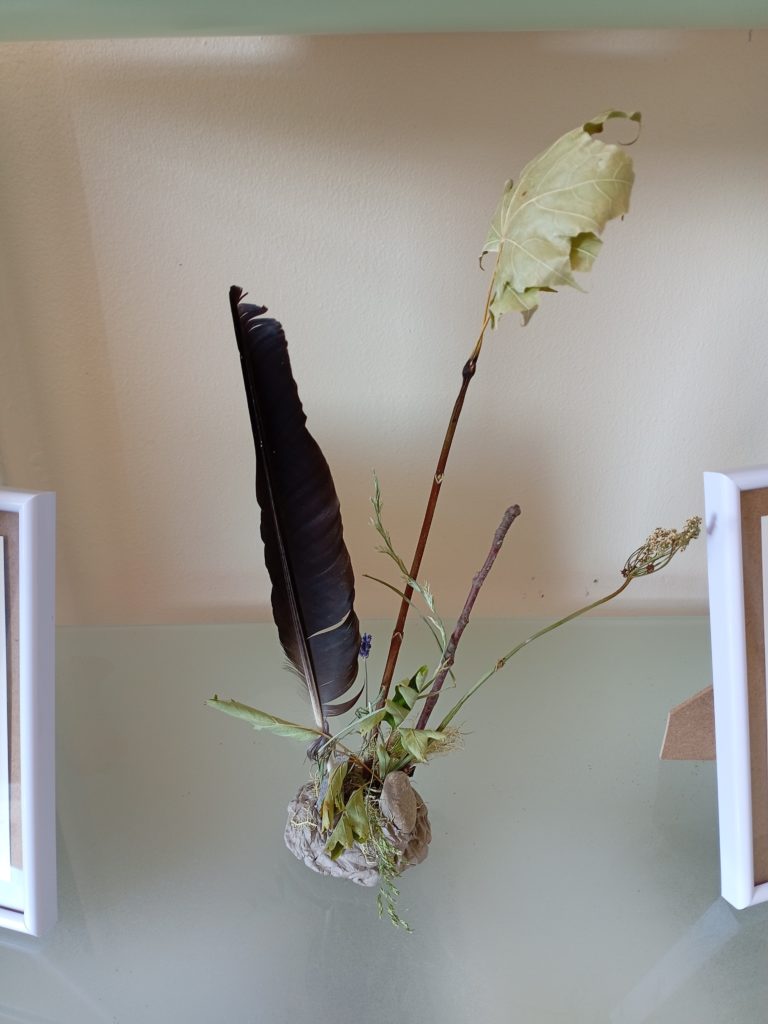
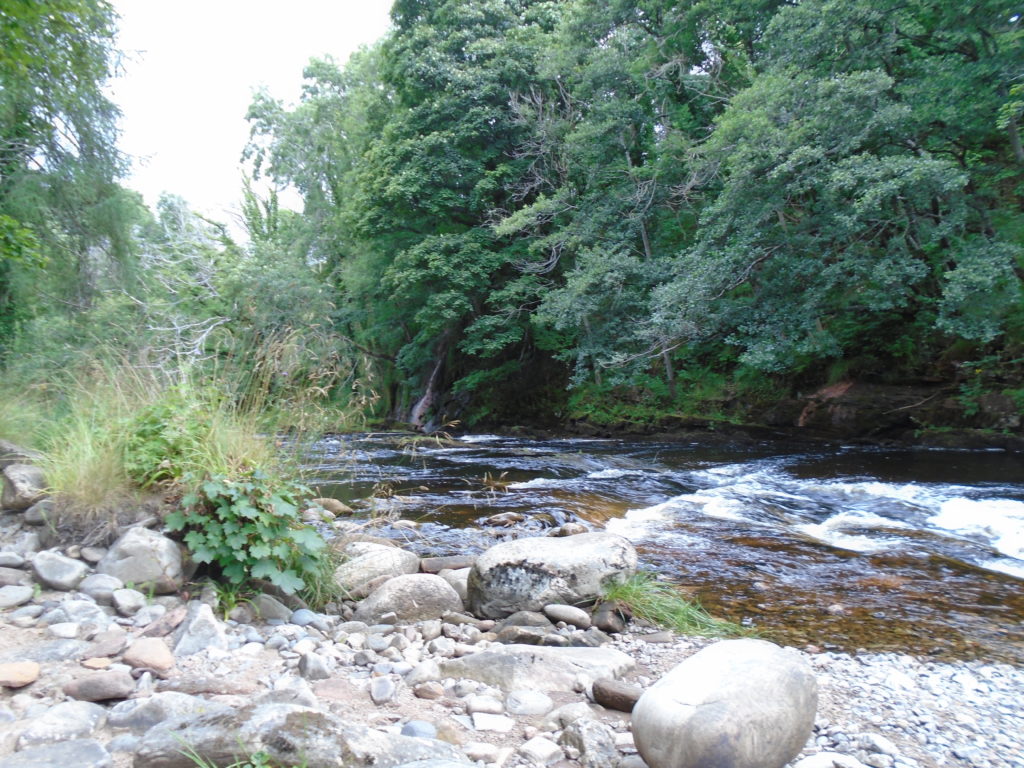
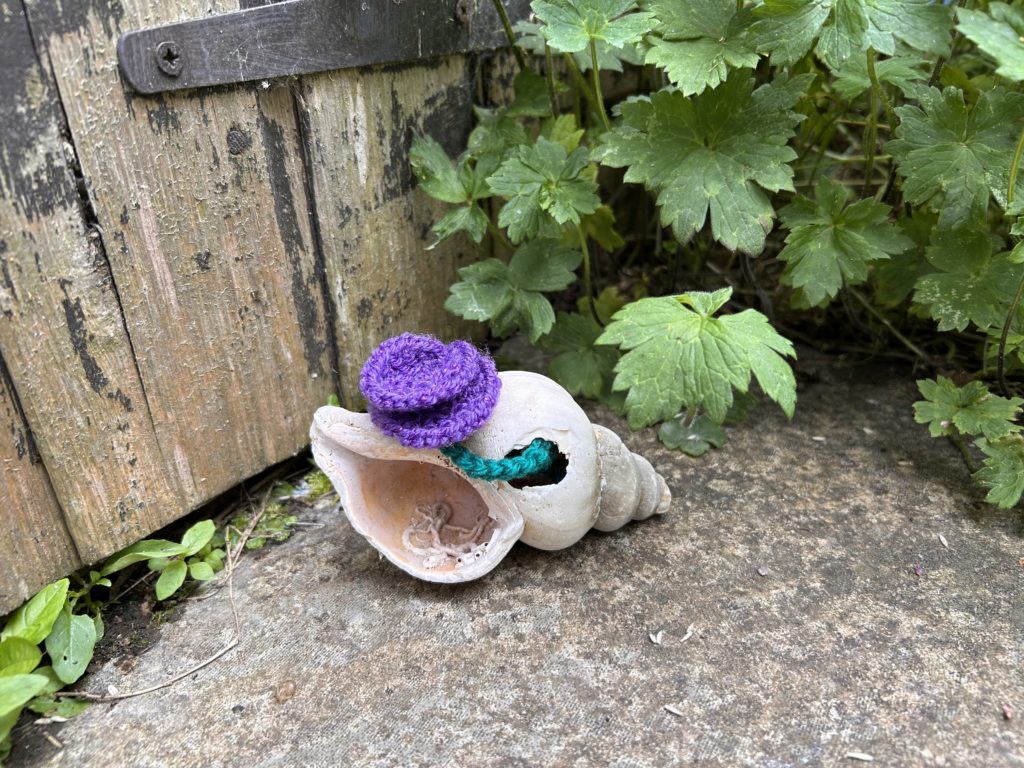
Set up in 2024, the organisation works to improve people’s wellbeing, confidence and sense of connection through creative, nature based community activities.
The conference included talks from Lucy Campbell, Flip founder, who introduced the work of the organisation, their partners Dr Marisa De Andrade, who introduced the REALITIES research programme, Dr Kath Jones, who has developed a creative GP consulting pathway and network, and collaborator Cecile Taylor MSC who presented a beautiful, coproduced photovoice-collage of the community health benefits of Flip of the Coin.
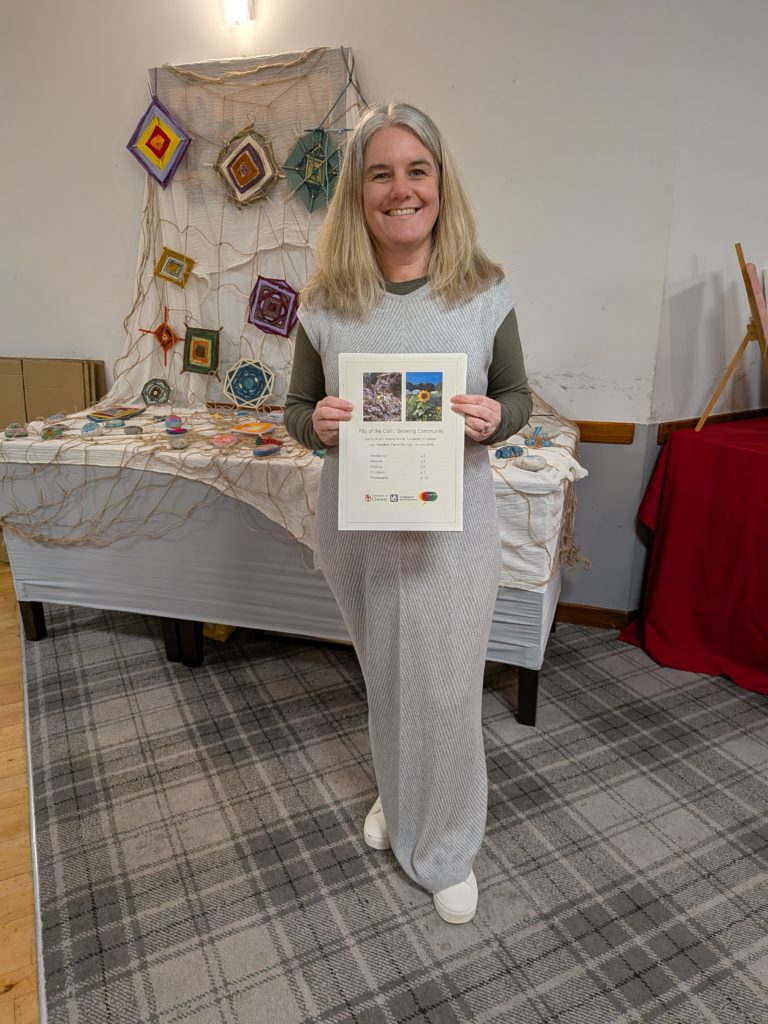
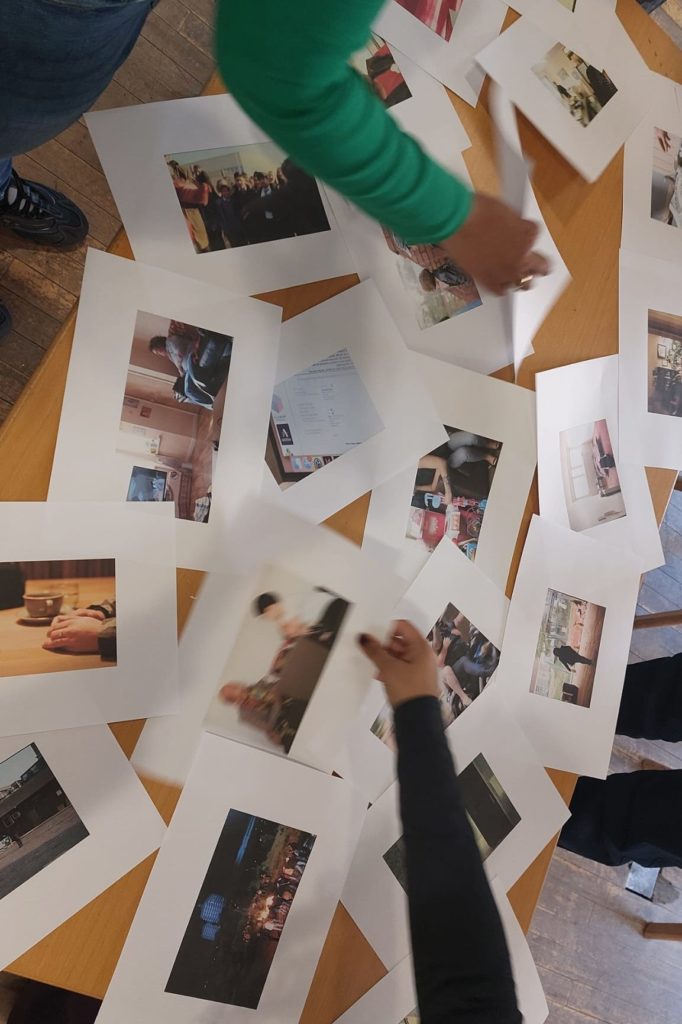
Gill Buck introduced visual findings from a UKRI funded photovoice study of Flip’s lived experience-led community work. The themes from our study, which were codeveloped with people working with Flip of the Coin included Nature, Creativity, Growing Together, Nourishment, Family and New Pathways Forward.
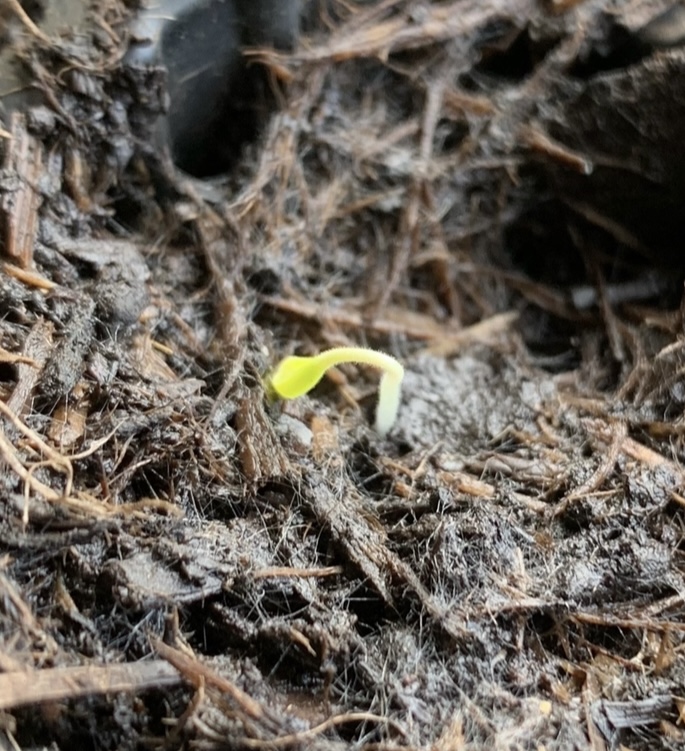
These themes revealed how Flip created conditions for people to grow, feel alive and thrive.
Rather than organising around risks or labels, Flip was built as a shared community space where people meet as human beings.
Through creativity, walks in nature and shared relationships, Flip offered care, connection and belonging in place of judgement. Growth happened collectively, within communities, through trust and mutual support. Creativity restored confidence, while pathways forward became clear through a growing sense of agency.
The organisation therefore provides a blueprint for re-thinking community health and justice. By rooting support in lived experiences of adversity and organising around strengths and belonging rather than deficiency, Flip shows how environments themselves can be structured to nurture growth, connections to others and rootedness in place.
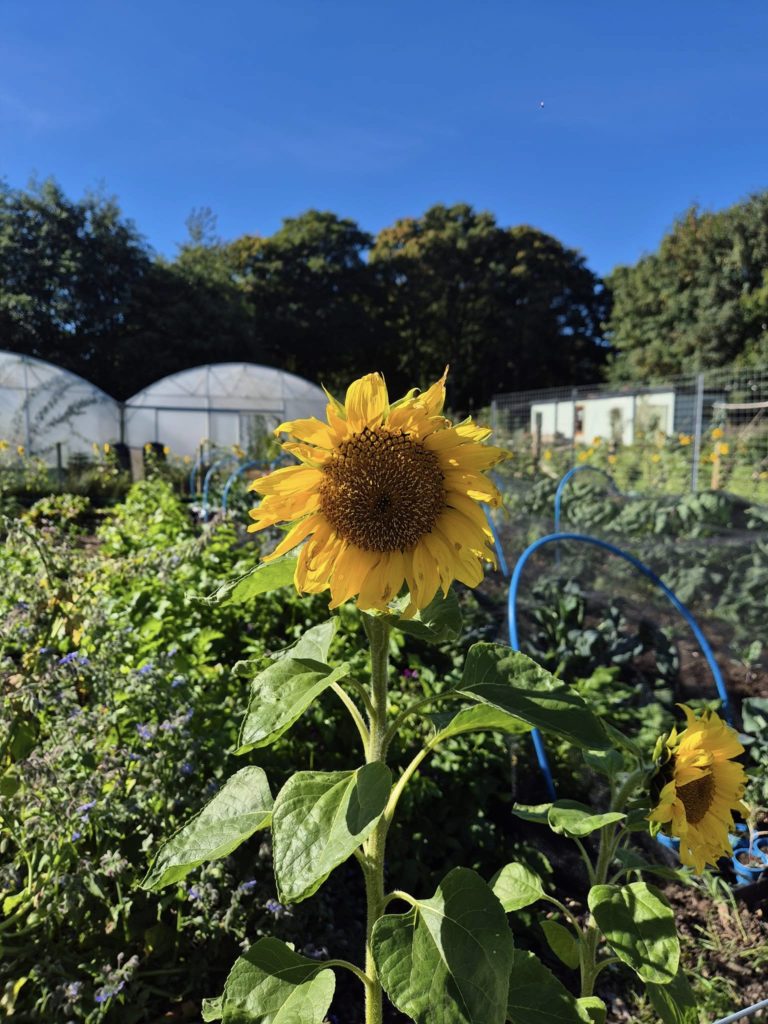
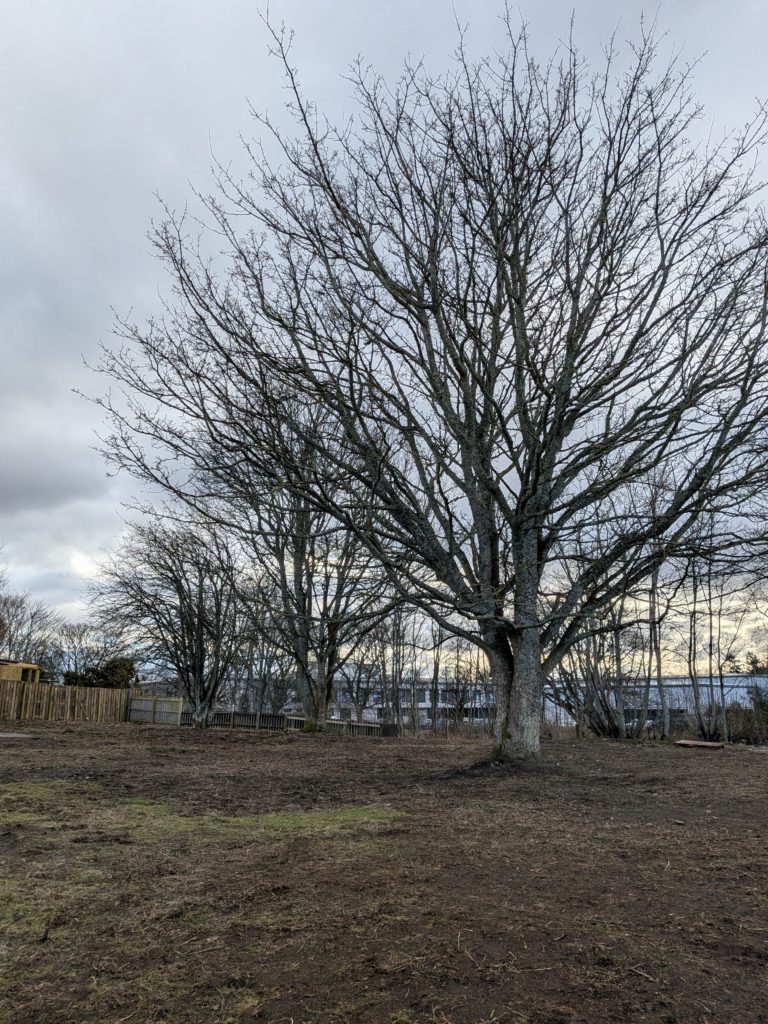
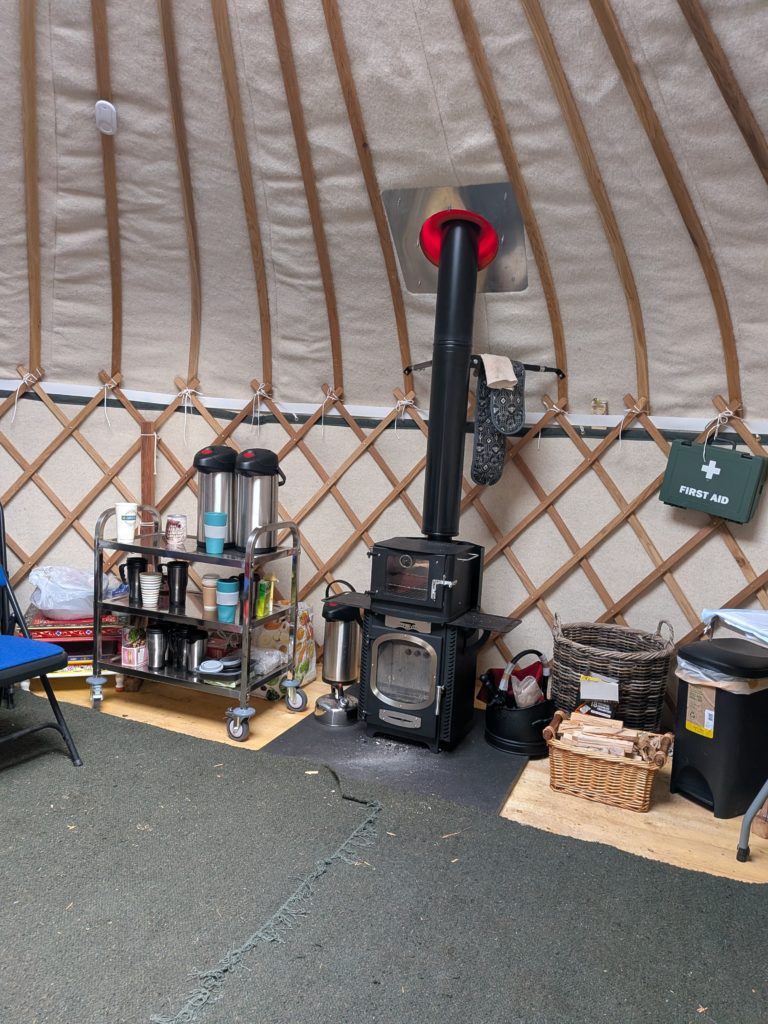
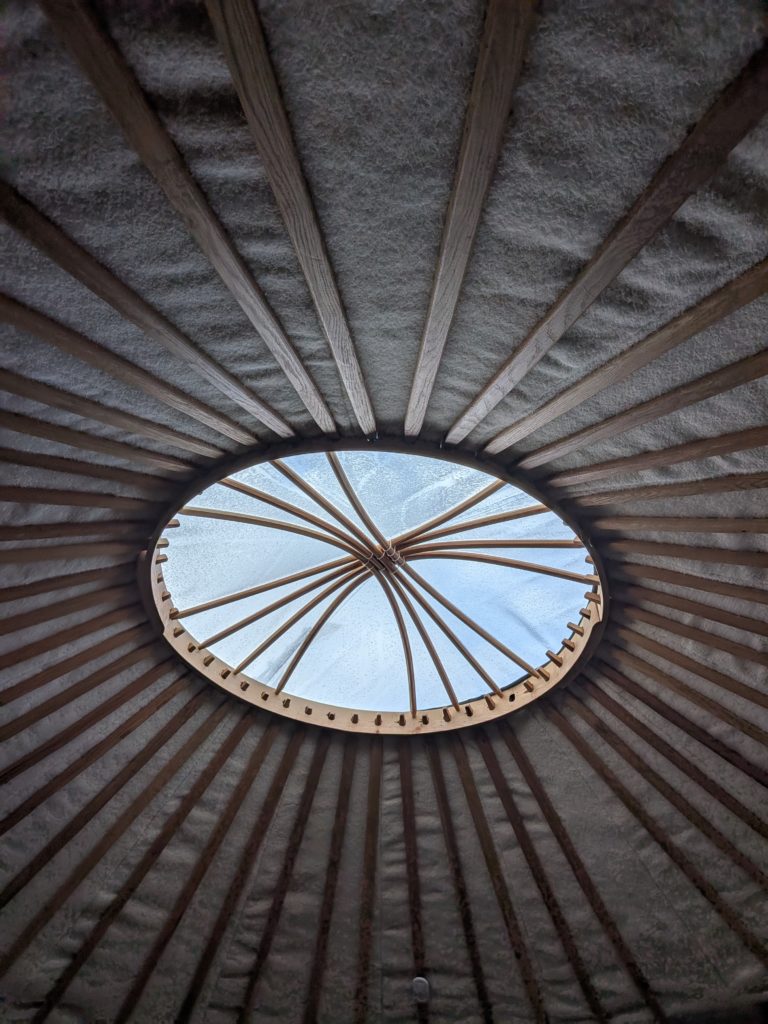
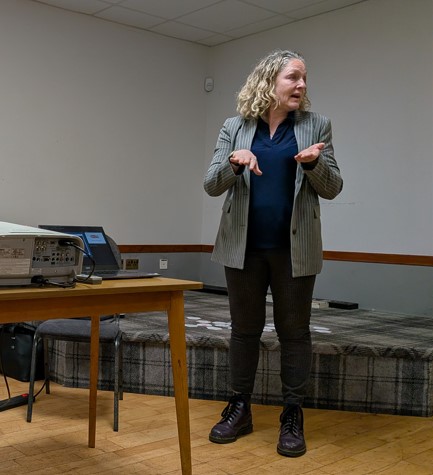
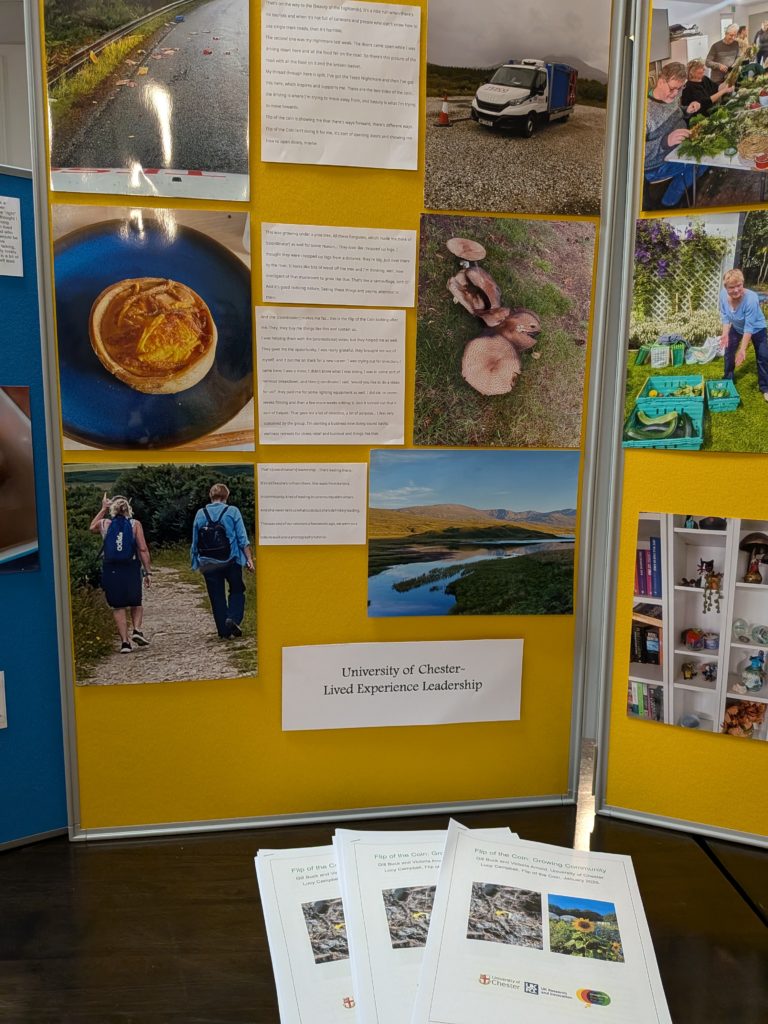
Gill Buck with the Photovoice reportMature trees in the Flip fieldFlip’s new warm spaceBeautiful skylight in community spaceLucy introducing Flip of the CoinPart of the UKRI photovoice exhibition
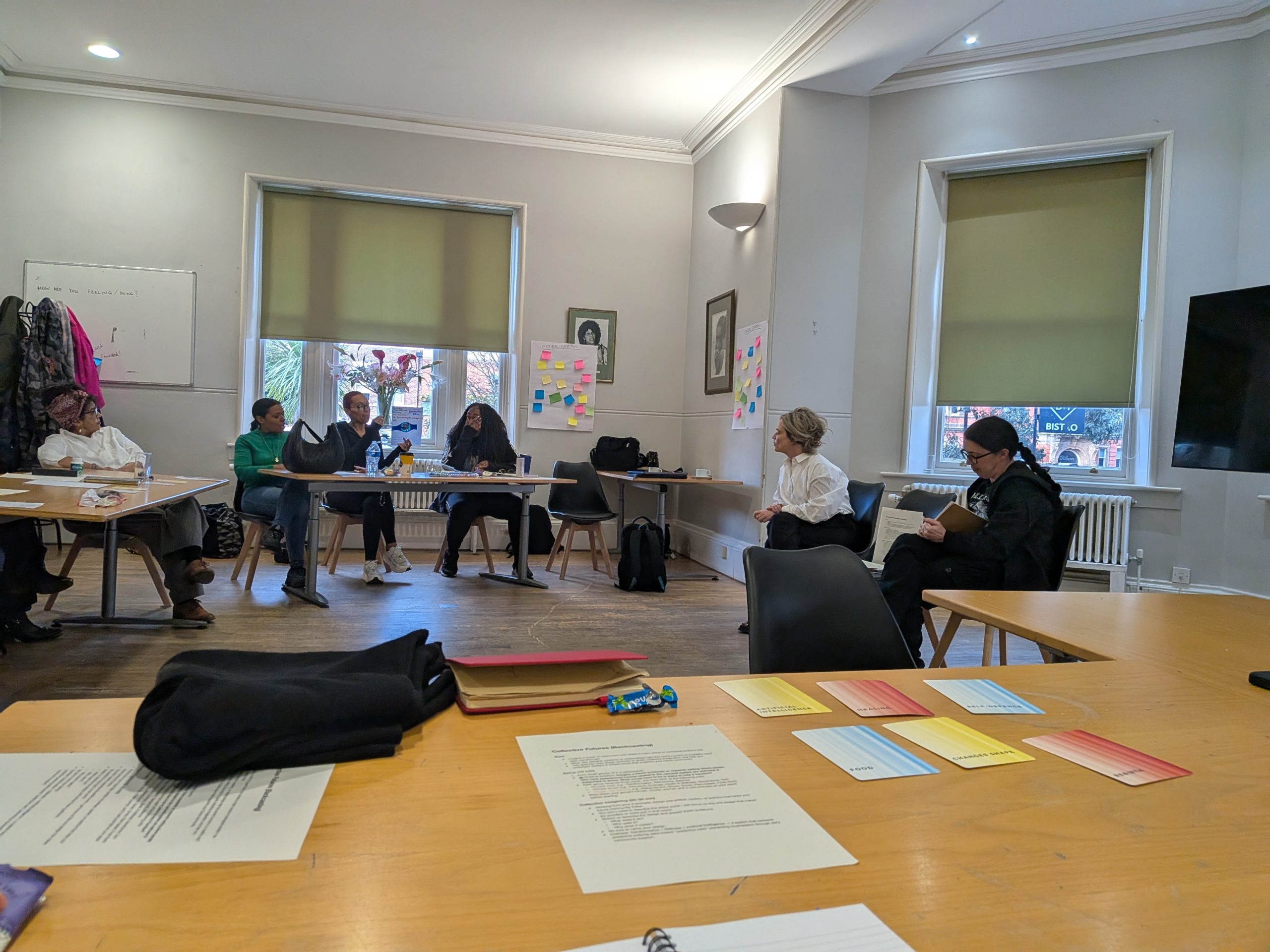
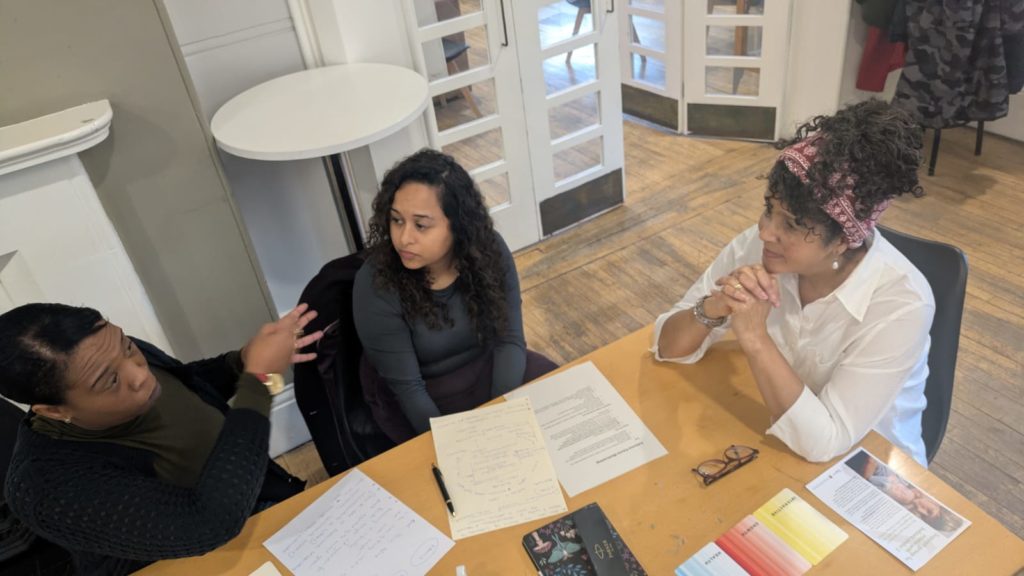
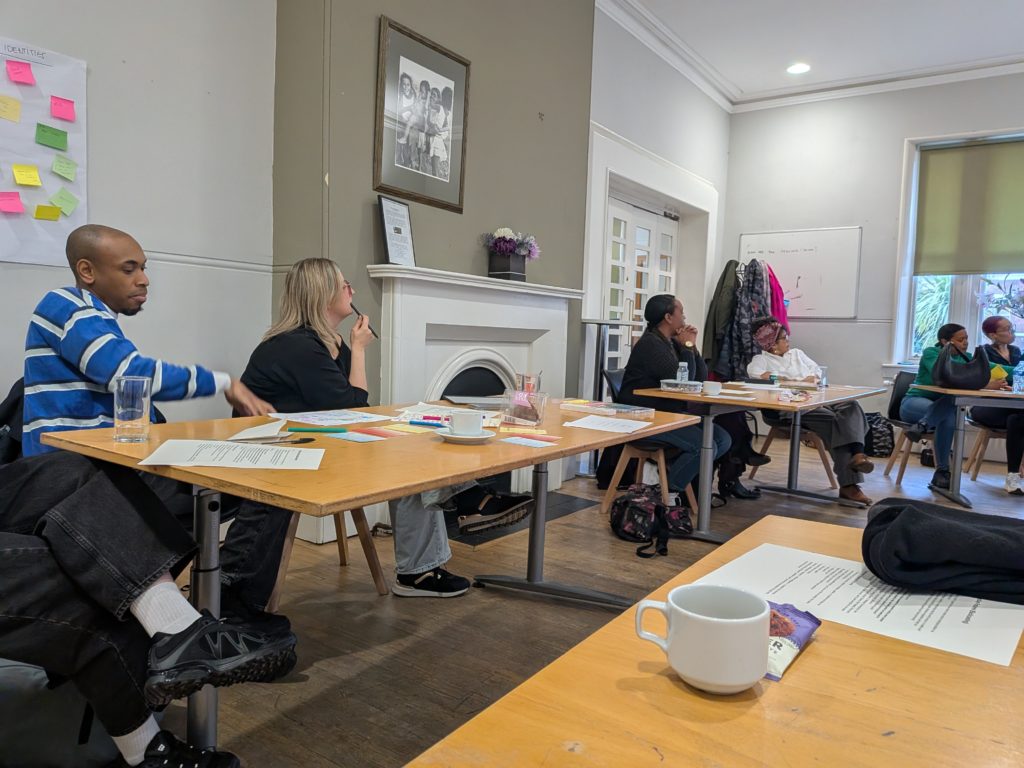
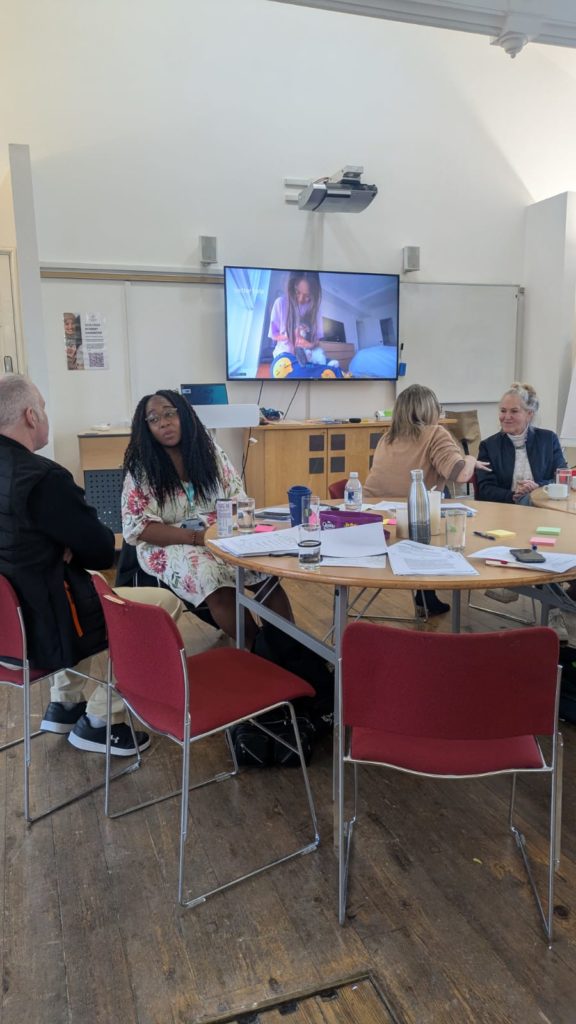
Between 12-15 January 2026, the team, advisory board and stakeholders from university and charity sites worked together to co-test and develop a Compassionate Curriculum. This curriculum has a simple aim: to make universities and workplaces more accessible, humane and less excluding for people with convictions as they enter education and employment. Huge thanks to Dominique, Diane, Sian, Paula, Melanie and Emma for facilitating and to UKRI and ARU Social Sciences Research Laboratory for funding the event.
The seeds of the Compassionate Curriculum were planted between 2019 and 2024, when artist Melanie Crean worked with people in prison to create A Machine to Unmake You. The project facilitated incarcerated people to tell their own stories and design their own systems of care. People explored what it could look like to return home safely and with dignity. The project led to a public gallery exhibition and the start of a working group, who began designing a support system that could one day be tested and put into action.
Collective imagination comes with a responsibility to carry ideas forward and fight for them to become real. This 3.5 day learning in partnership event – initiated by Melanie Crean and our Co-Investigator Emma Murray – therefore brought together two universities and a community-led charity to co-develop, test and develop some support system, or ‘curriculum’ resources. This step honours the commitment made to people who co-developed the idea inside prison.
The curriculum starts by naming the systems that cause harm, such as racism, sexism and ableism, then moves into strengths-based tools that can help people support one another. In the final section, participants look at how people are represented and practice creative problem-solving through storytelling and future-building exercises. It is being developed as an open, flexible, living curriculum, meant to grow and change as future facilitators adapt it to meet the needs of their own communities.
Over the course of the 3.5 days, those developing the curriculum came together for a participatory skill-share of community-led and design based activities. Rather than presenting a finished version of the curriculum, this gathering took the form of a teach-in: a collaborative learning space where facilitators from different sites (universities and charities) experienced, practiced and reflected on its core approaches.
Each of the days were anchored in one of the curriculum’s key pillars: Beloved Community, Restorative Practice, and Futuring. Together, these pillars invited participants to explore relational learning, repair and collective imagination as tools for systemic change. The final half-day was devoted to shared reflection, integration and after-care, creating space to process, rest and look ahead together.
The gathering was an invitation to co-create something thoughtful, responsive and alive through shared intention, creativity and care. Participants left equipped to translate some of the curriculum’s practices into their own institutional and community contexts. Our design partner, Melanie Crean from The New School, New York, will now develop a visual, design based resource, so that the materials can be shared more broadly and our ‘legacy leaders’ can embed practices within communities. Watch this space!
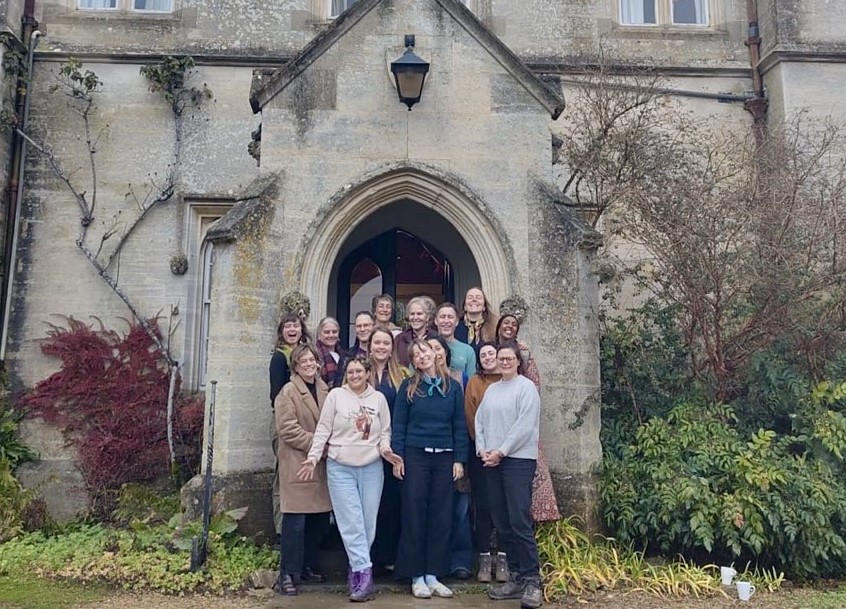
At the start of December, Emma, Paula and Gill attended the very first “Becoming an Imagination Activist” weekend training at Hawkwood College, Stroud. Led by Phoebe Tickell, they embarked on an immersive journey of the imagination, learning new techniques for imagining different futures.
Together we imagined a future world where prisons had been closed and were now places of dark tourism. The revenue funds healing circles and community learning spaces where skilled healing practitioners take a restorative approach to harms. These places are based in nature, connecting people to their environment. As a result, people feel they belong and take care of these places. Love is now one of the most important lessons taught in schools. People master empathy, self regulation and care for self and others. Every street and locality is responsible for the people they live alongside. Local harms are addressed by collective healing circles, where people decide together what repairs are needed. This includes harmful business practices. Those neighbouring the businesses vote and hold leaders accountable.
Our fellow activists reimagined a range of other beautiful futures, including a future education system designed around diverse needs and strengths, future cities which prioritise human and non-human wellbeing, and future food and energy systems focused on sustainability and ethics.
These techniques and practices will be incorporated into forthcoming future-focused work on the project.