Visiting researcher Paula Harriott and collaborator Andi Brierley have published a reflexive article in Crime, Media and Society, available here.
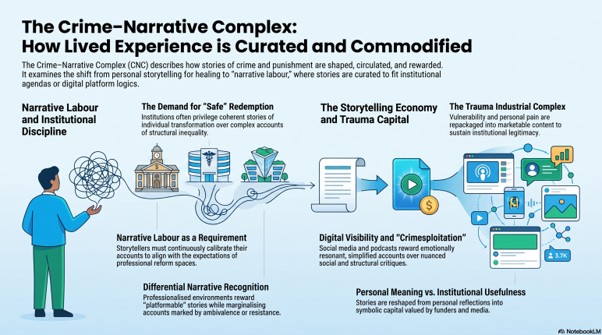
The paper introduces the Crime–Narrative Complex (CNC) as a concept for understanding how lived experience stories of crime, punishment, trauma and desistance are curated and commodified across criminal justice. It examines how institutional and digital cultures can shape recognition by privileging particular forms of storytelling. The CNC offers a way of analysing the political economy of contemporary crime storytelling and the conditions under which particular narratives become credible, professionally valuable, and circulated.
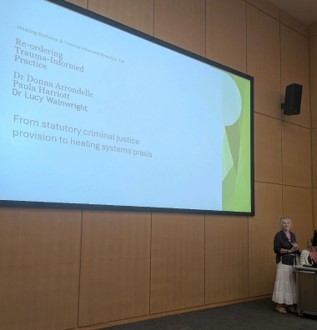
Visiting researcher Paula Harriott, along with some of our Experience for Justice collaborators hosted papers and panel sessions at the British Society of Criminology Conference, Nottingham, 2026.
Paula critically and productively explored trauma informed practice in carceral contexts. Lucy introduced the work of Flip of the Coin, lived experience led community project, and Shadd and Ruth explored the potential of Challenge Labs for reimagining criminal justice systems by examining their underlying ideas, arrangements, and effects. All of these papers explored approaches with potential to co-create possibilities for change.
Co-authors Dwayne Antojado and Danica Darley hosted an ‘Author meets critic’ session, discussing the book ‘Beyond Autoethnography: Lived Experience Criminology’, which Gill and Lucy wrote the foreword for.
Professor Shadd Maruna’s review of the book connected the ideas of fragile expertise and epistemic suspicion with themes explored in Stanley Cohen’s final seminar, highlighting the challenges of recognising and valuing different forms of knowledge within justice research.
Professor Fergus McNeill’s review extended the discussion by exploring the potential of hermeneutic justice: where collective resources are made available for interpreting and communicating experiences. He emphasised the importance of dialogue and questioned approaches that prioritise the knowledge and perspectives of those who already hold power.
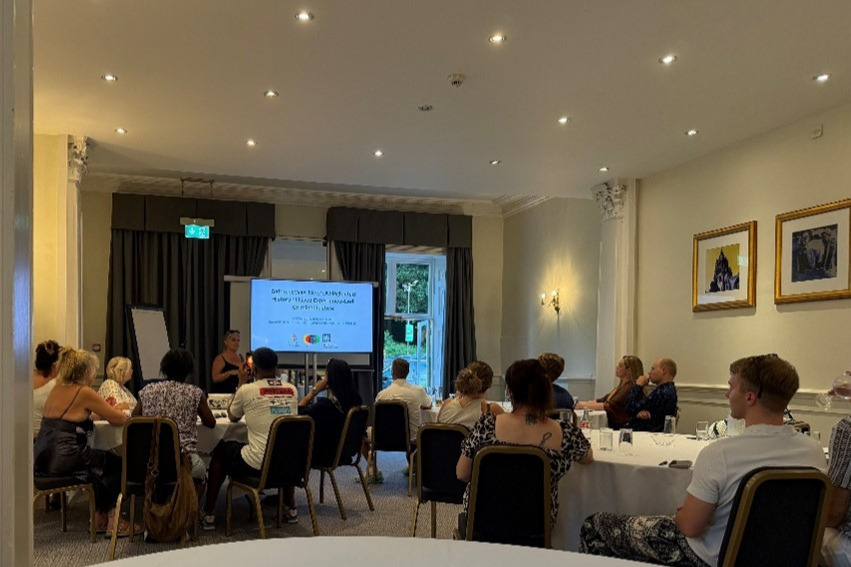
The Unlock Leadership Programme’s first residential retreat provided an opportunity for knowledge exchange between research, practice and lived experience communities.
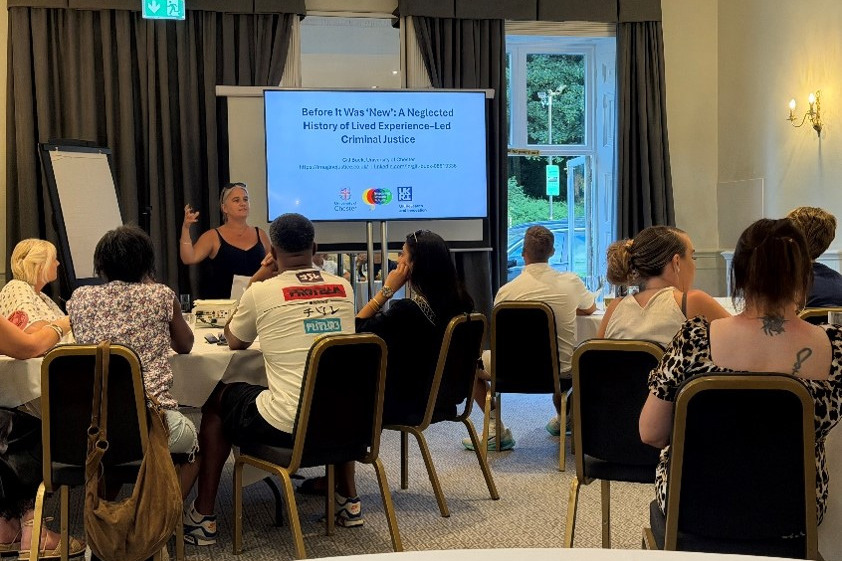
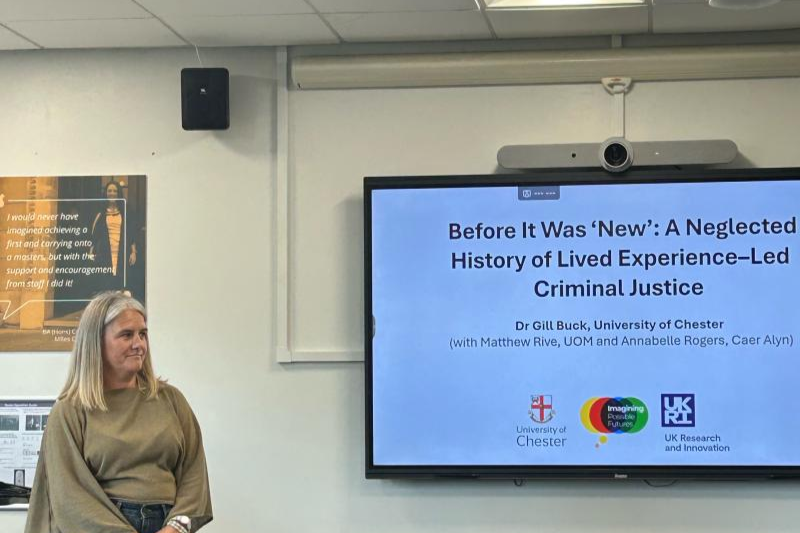
Gill Buck disseminated findings from the Imagining Posible Futures project, sharing insights into how lived experience has shaped understandings of justice and change across centuries.
Hosted by visiting researcher Paula Harriott, the retreat brought together leaders with experience of the criminal justice system, creating a space for dialogue, reflection and the exchange of knowledge.
The event demonstrated the value of connecting research findings with communities and practitioners, ensuring that knowledge generated through lived experience and research can contribute to ongoing conversations about justice reform and social change.
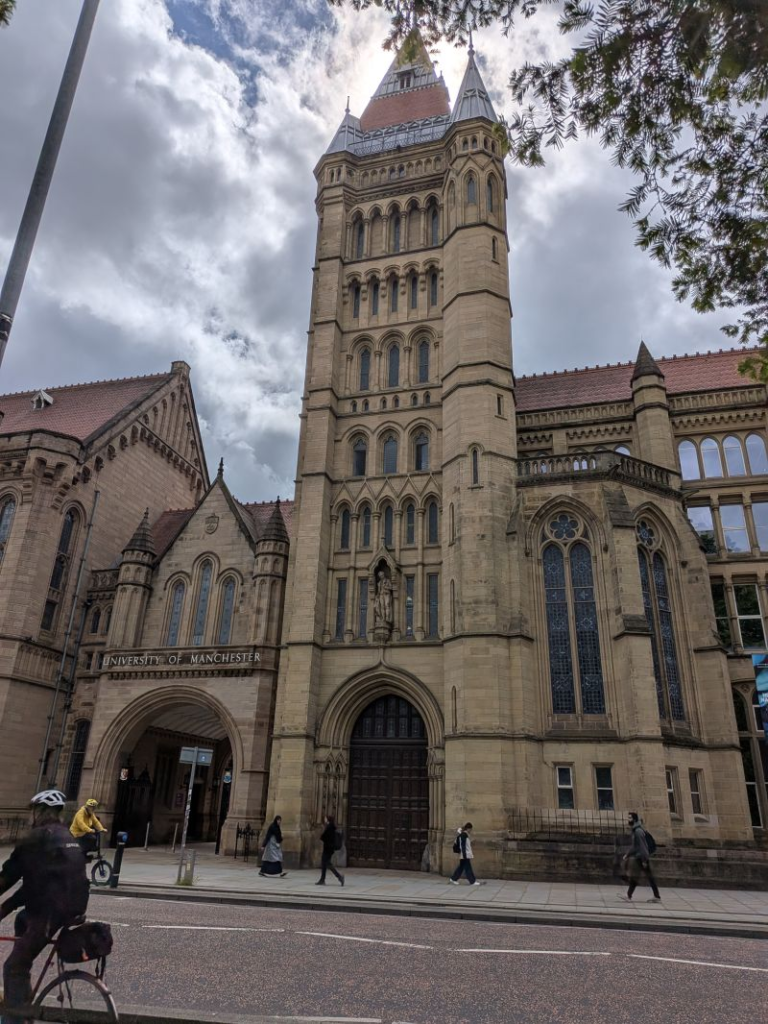
On 3 June 2026, Gill Buck spoke at the at University of Manchester introducing a recently published paper. The talk outlined themes in participatory justice across the 1800s. The discussion afterwards focused on historical methods, ethical dilemmas and conflicts in participatory justice work.
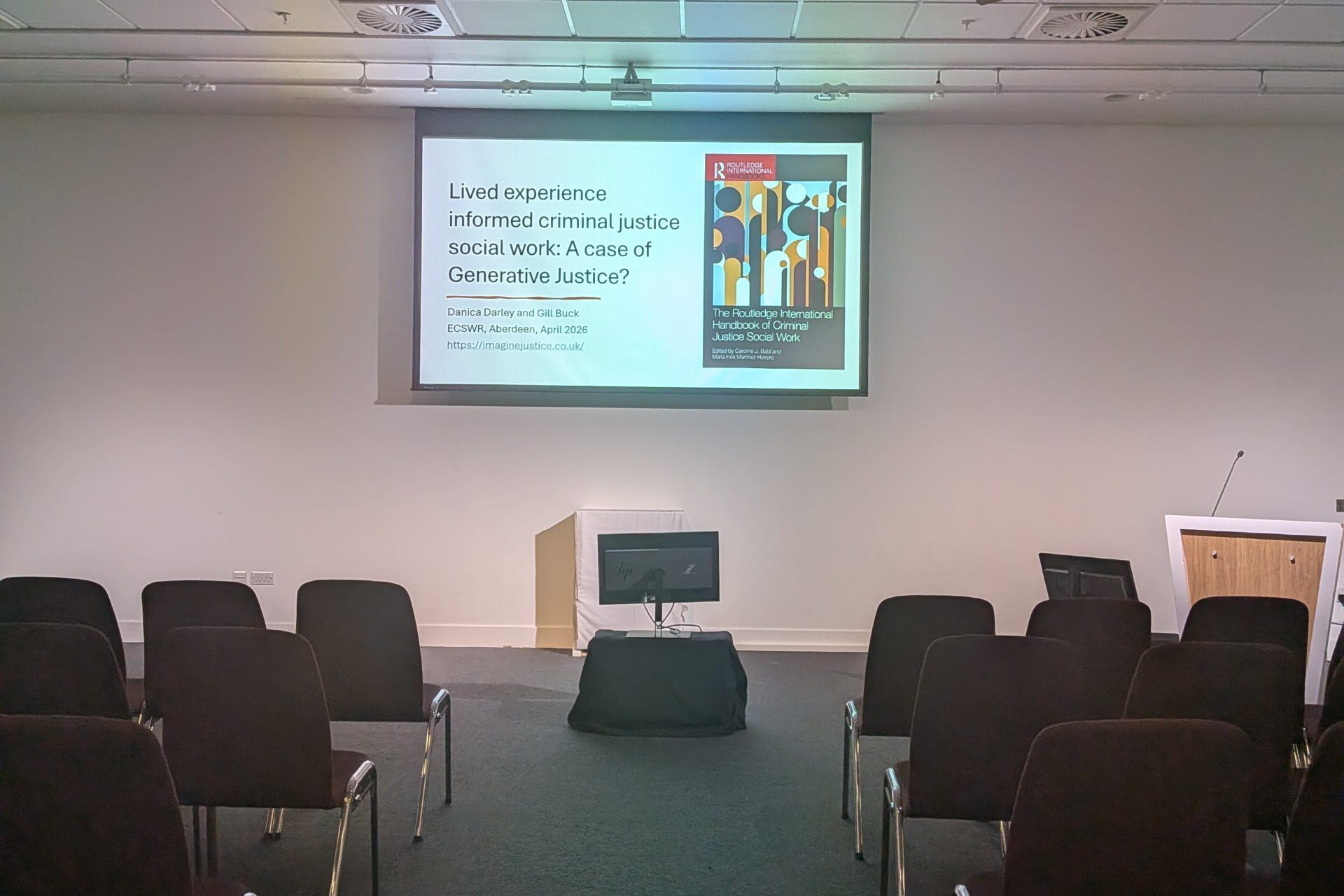
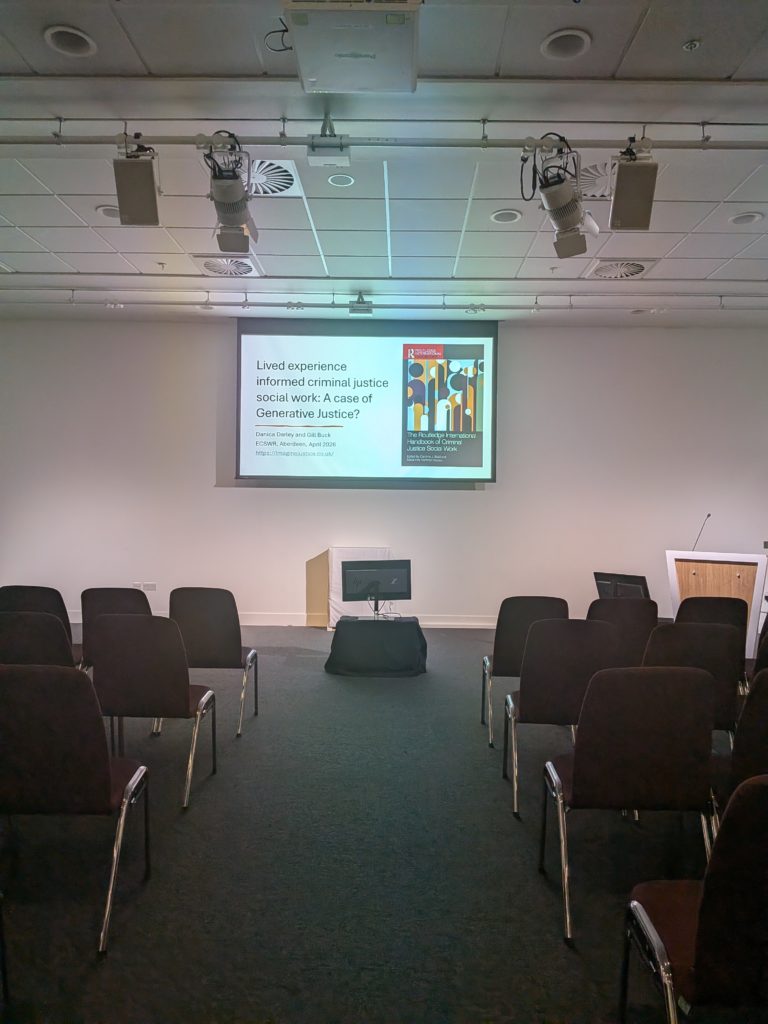
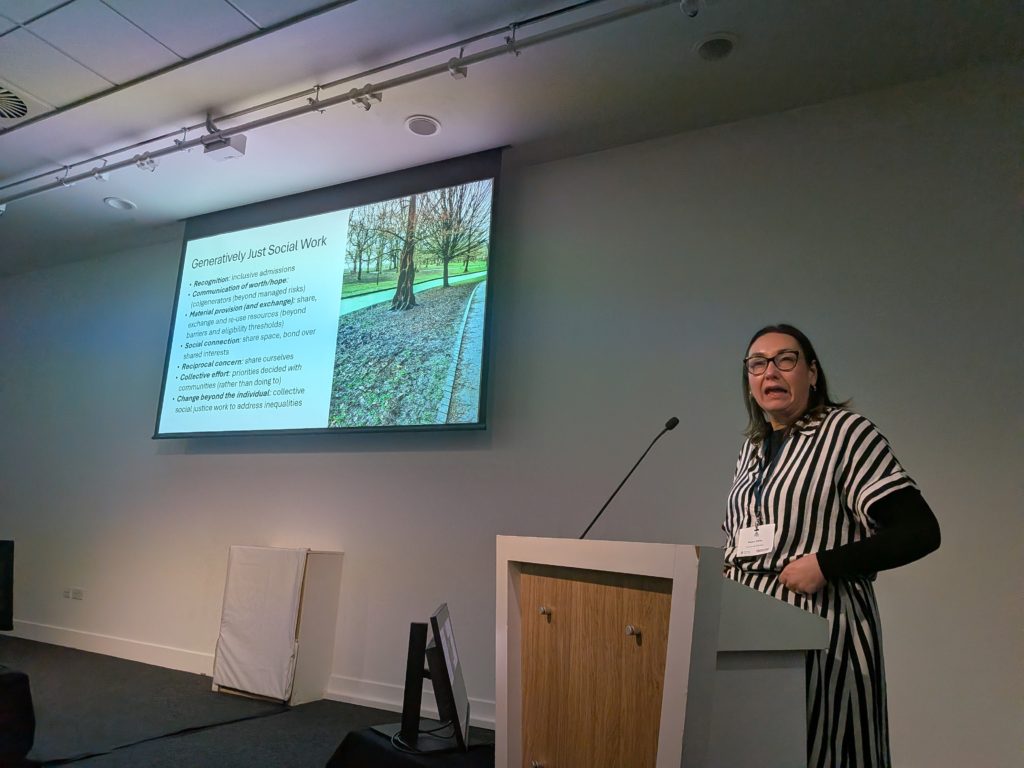
In April, Gill spoke at the European Conference for Social Work Research (ECSWR) in Aberdeen. Gill and colleague Dr Danica Darley from the University of Sheffield presented their reflective chapter “Lived experience informed criminal justice social work in England: A case of generative justice?”, which has been published in The Routledge International Handbook of Criminal Justice Social Work.
Social work internationally is rooted in solidarity with people facing social disadvantage, yet those with lived experience of criminalisation remain largely excluded from shaping the knowledge and practice that affect their lives. We argued that this gap undermines the profession’s commitment to inclusion. In response, we explored how Generative Justice can help reimagine a more equitable approach. Drawing on lived experience-informed practice in criminal justice settings, we highlighted how peer-led and co-productive models can build trust, inspire hope, and strengthen services, while also acknowledging the ethical complexities involved.
Using the seven principles of Generative Justice, we showed how social work can move beyond risk-averse, paternalistic systems toward practices grounded in recognition, reciprocity, and collective change. Ultimately, we called for dismantling structural barriers and centring experiential knowledge to transform social work into a more just, inclusive, and socially responsive profession.
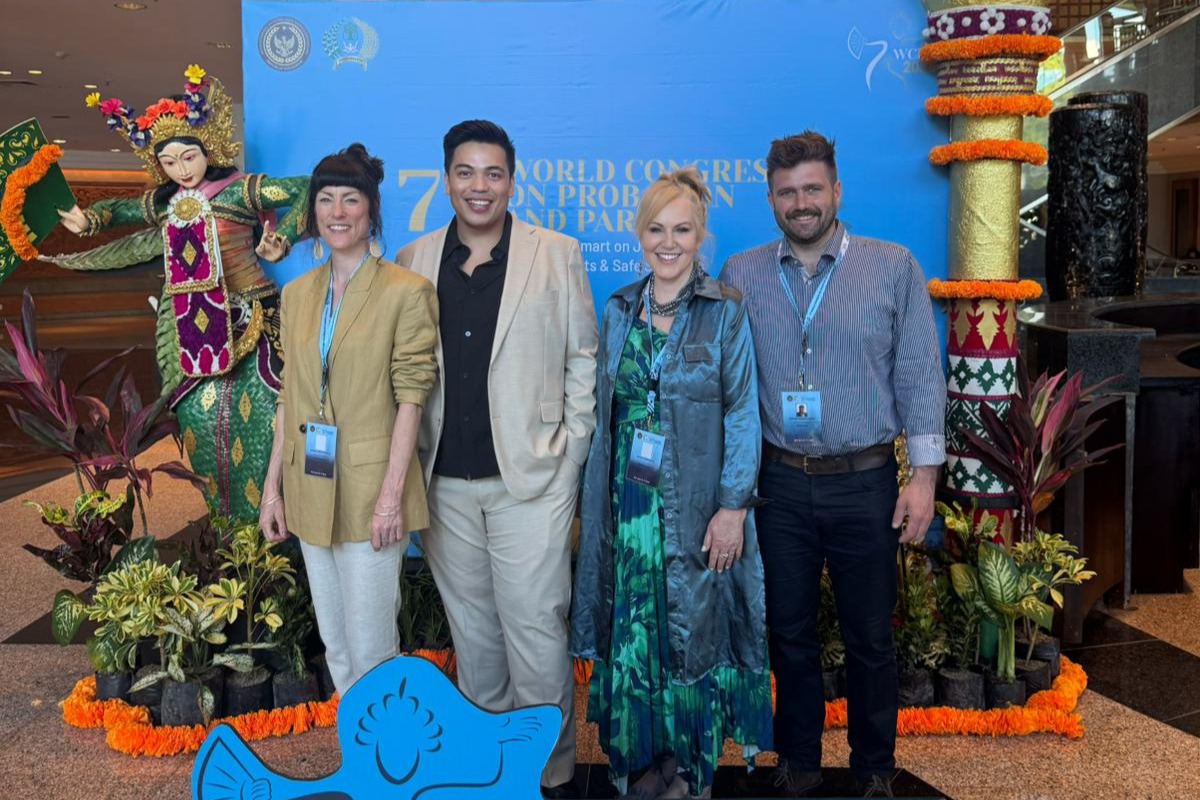
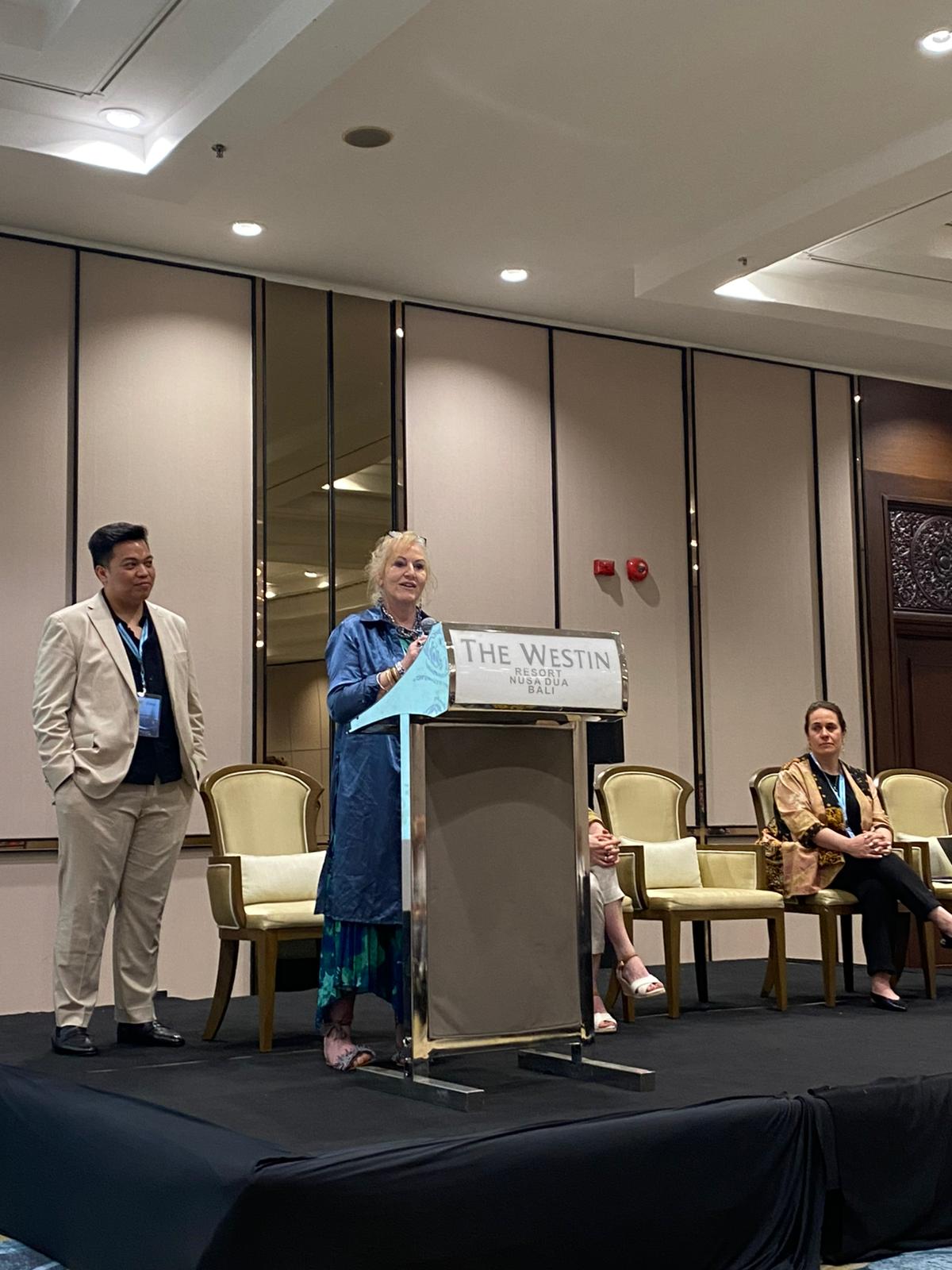
In April, Paula visited beautiful Bali to place lived experience research and activism on the world stage. Joined by Dwayne Antojado from Adelaide University, Donna Arrondelle from the University of Southampton and colleagues from Penal Reform International, Paula represented the team at the 7th World Congress on Probation and Parole, sharing emerging research findings, policy-based activities and advocating for meaningful roles for people with lived experience in probation and parole.
Talks were aimed at sharing emerging research findings, policy-based activities and advocating for meaningful roles for people with lived experience in probation and parole.
Paula speaking to the conference room
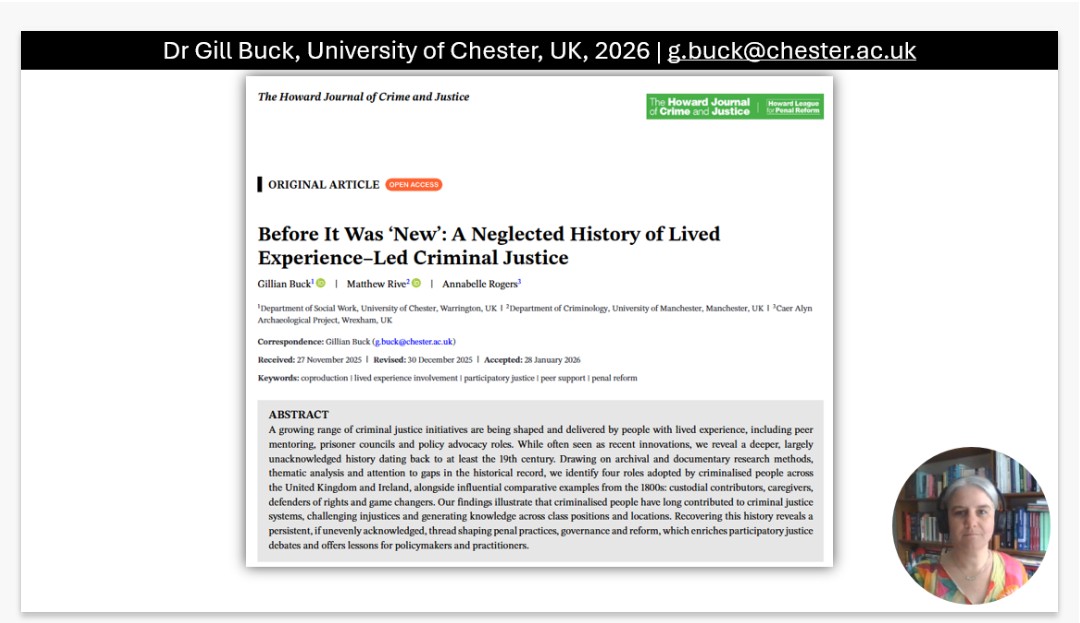
Gill also popped in (virtually) to give an overview of the history of lived experience led criminal justice in the UK and Ireland.
No Caption
To read more about this work, visit Dwayne’s blog, or the team’s history article.
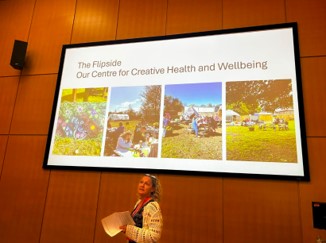
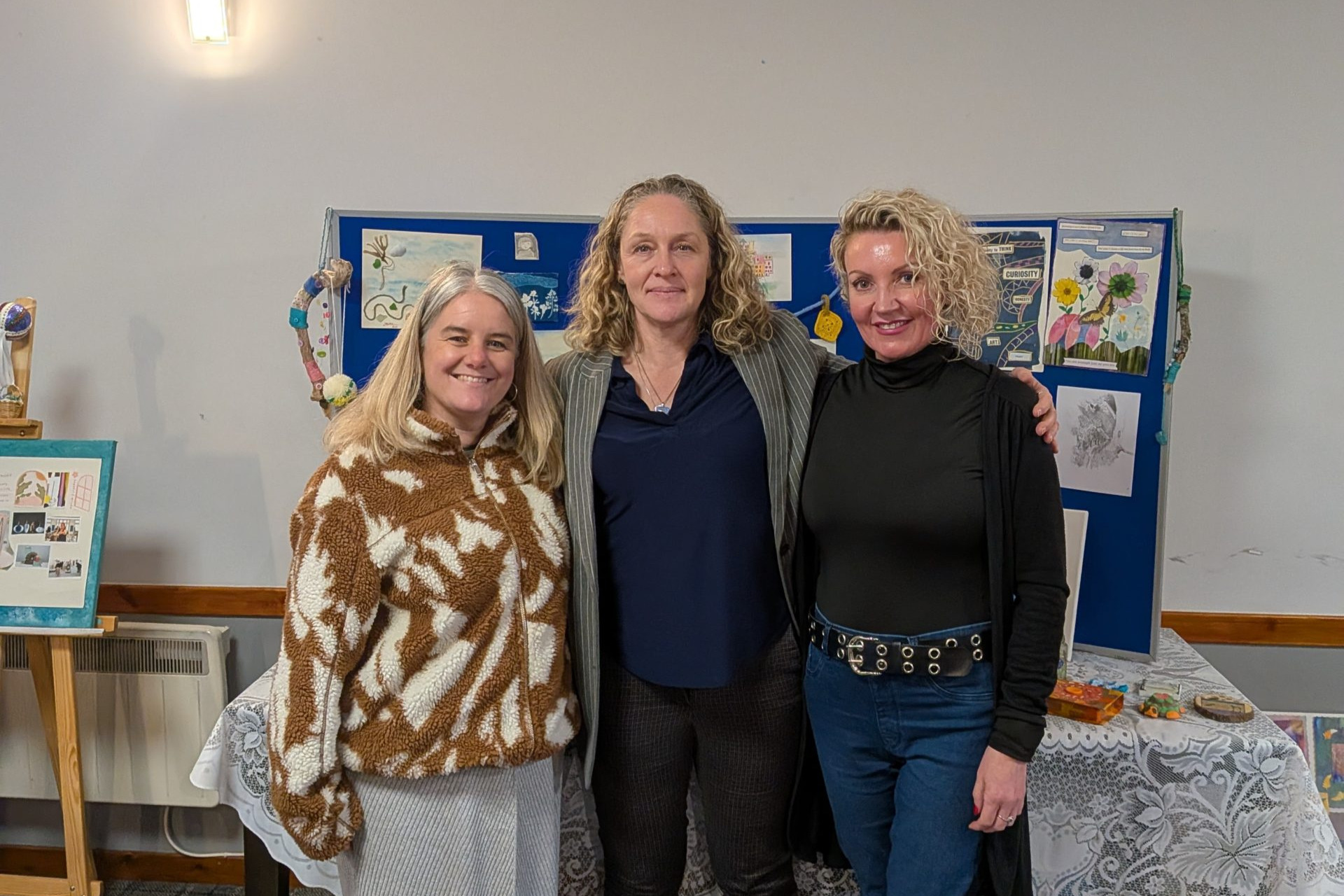
In February 2026, team members attended the Flip of the Coin and REALITIES Conference, Alness, Scottish Highlands to share findings from a photovoice study of Flip of the Coin, a women-led and lived experience driven community organisation in Scotland.
Founded and led by a woman who wanted to create the community she herself had lacked before and after imprisonment, Flip of the Coin is rooted in the belief that lived experiences, particularly of adversity, disconnection and transition can offer important insights to help shape healthier communities.
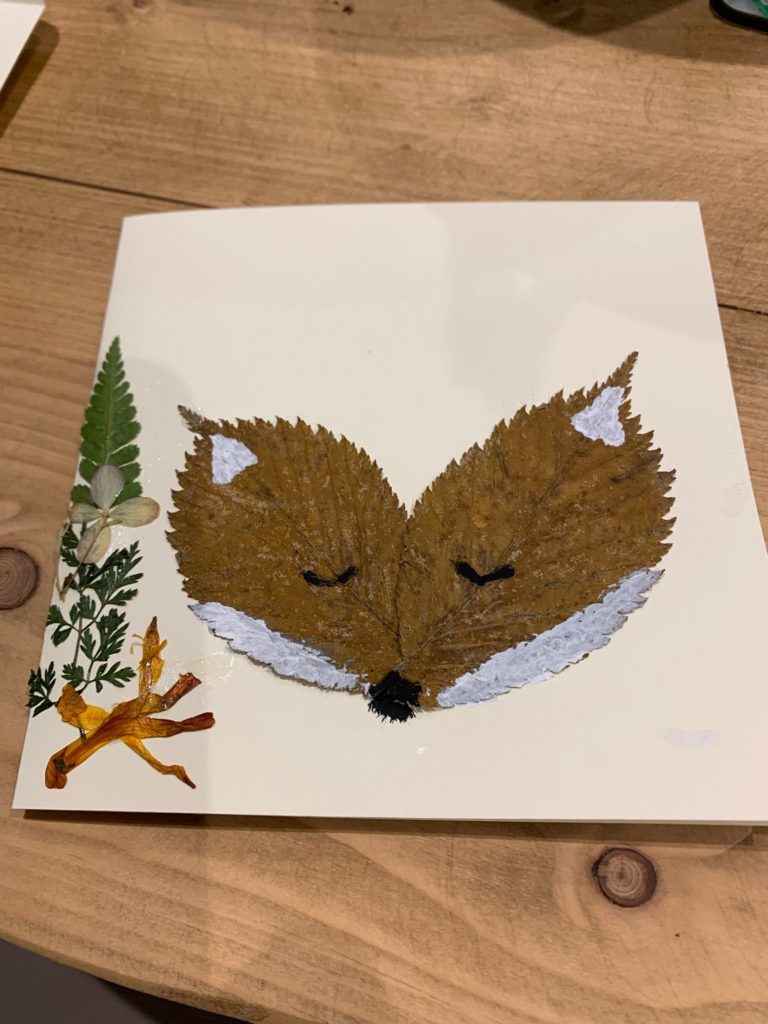
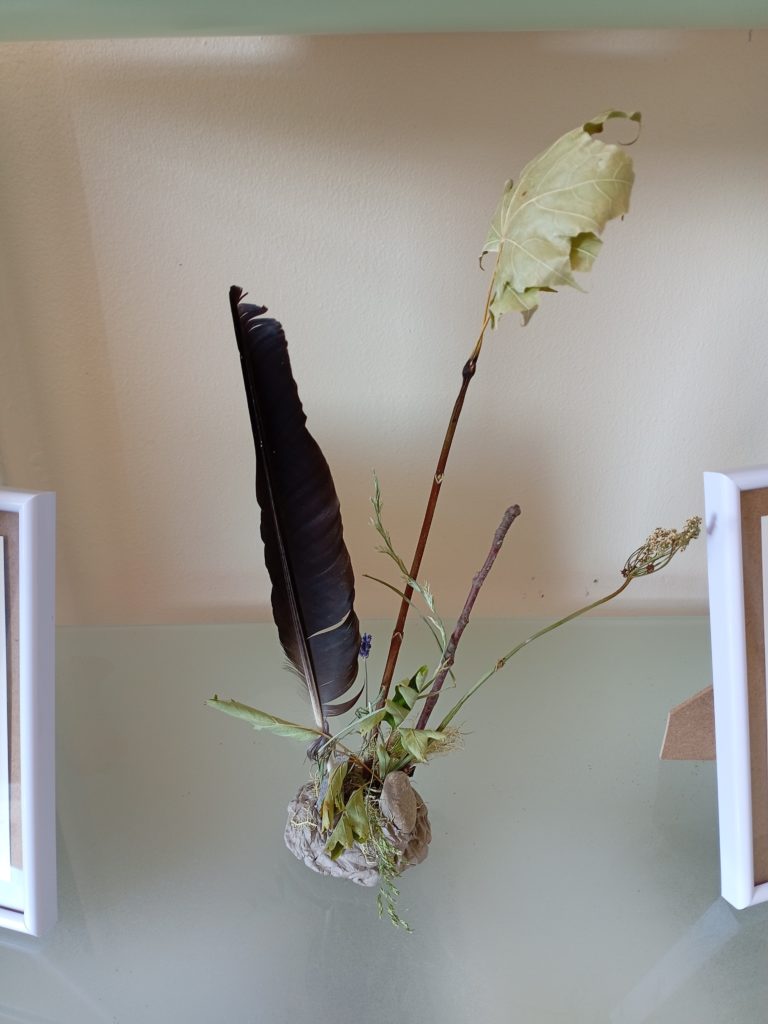
Set up in 2024, the organisation works to improve people’s wellbeing, confidence and sense of connection through creative, nature based community activities.
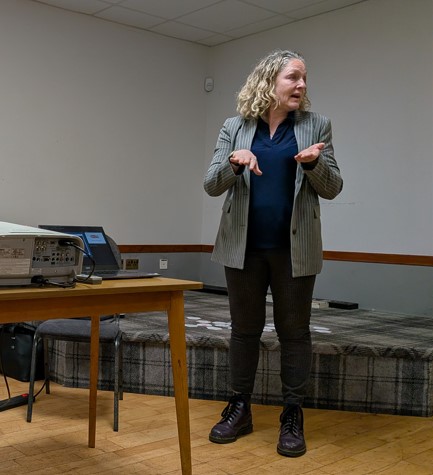
The conference included talks from Lucy Campbell, Flip founder, who introduced the work of the organisation, their partners Dr Marisa De Andrade, who introduced the REALITIES research programme, Dr Kath Jones, who has developed a creative GP consulting pathway and network, and collaborator Cecile Taylor MSC who presented a beautiful, coproduced photovoice-collage of the community health benefits of Flip of the Coin.
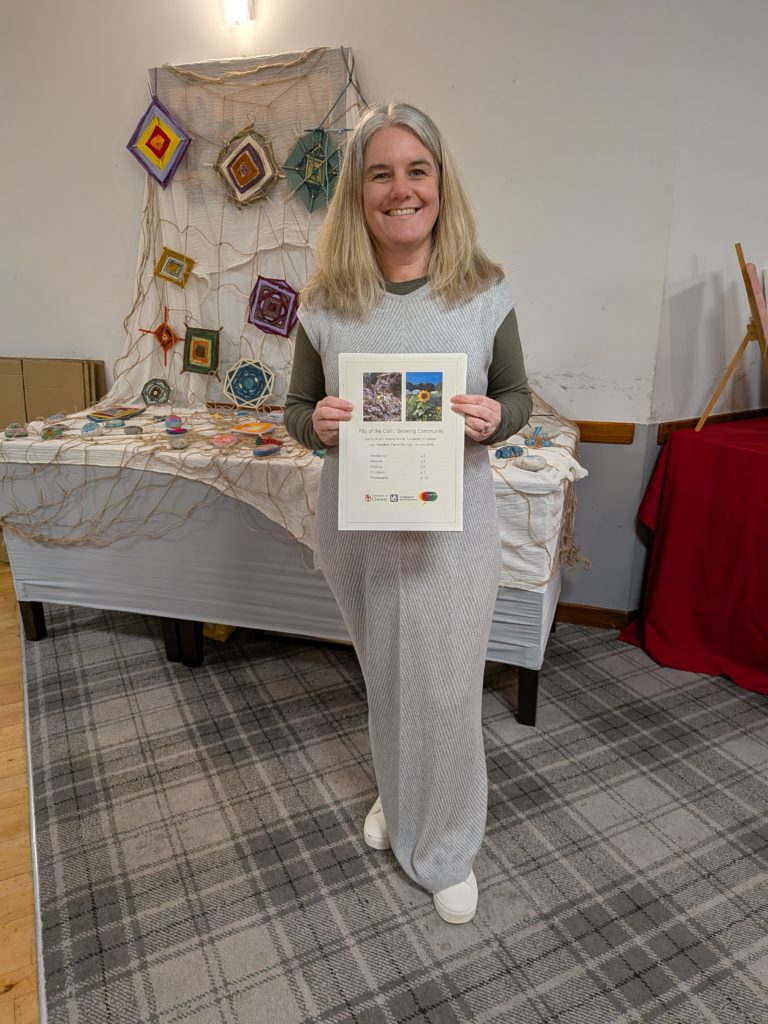
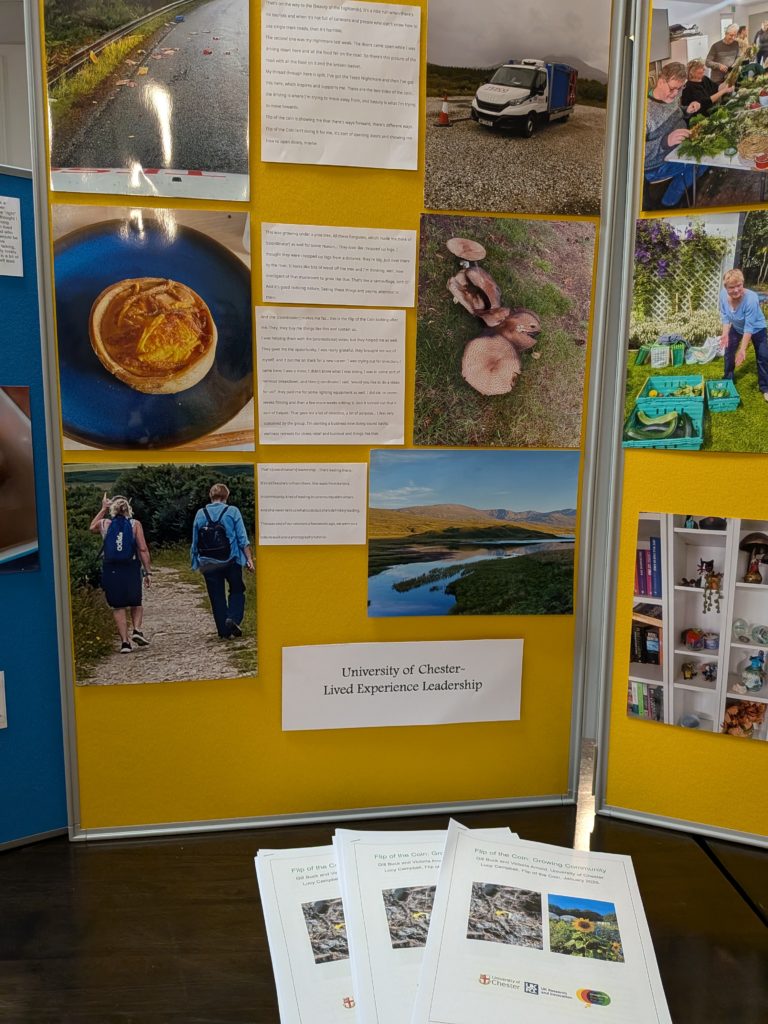
Gill Buck introduced visual findings from a UKRI funded photovoice study of Flip’s lived experience-led community work. The themes from our study, which were codeveloped with people working with Flip of the Coin included Nature, Creativity, Growing Together, Nourishment, Family and New Pathways Forward.
These themes revealed how Flip created conditions for people to grow, feel alive and thrive.
Rather than organising around risks or labels, Flip was built as a shared community space where people meet as human beings.
Through creativity, walks in nature and shared relationships, Flip offered care, connection and belonging in place of judgement. Growth happened collectively, within communities, through trust and mutual support. Creativity restored confidence, while pathways forward became clear through a growing sense of agency.
The organisation therefore provides a blueprint for re-thinking community health and justice. By rooting support in lived experiences of adversity and organising around strengths and belonging rather than deficiency, Flip shows how environments themselves can be structured to nurture growth, connections to others and rootedness in place.
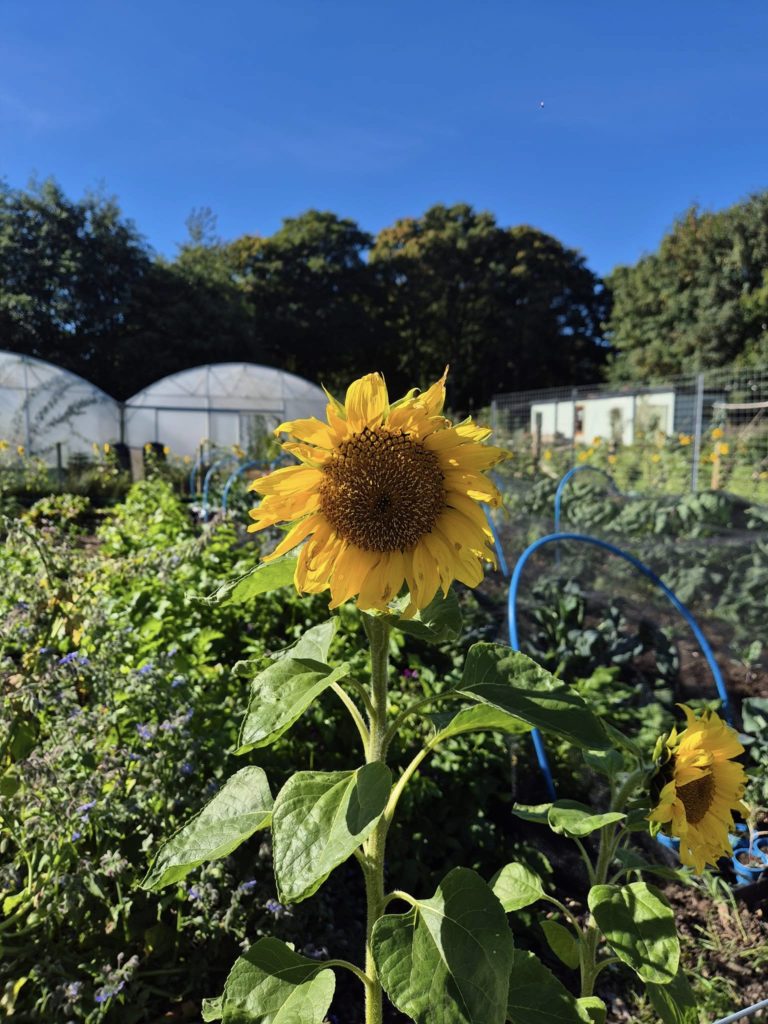
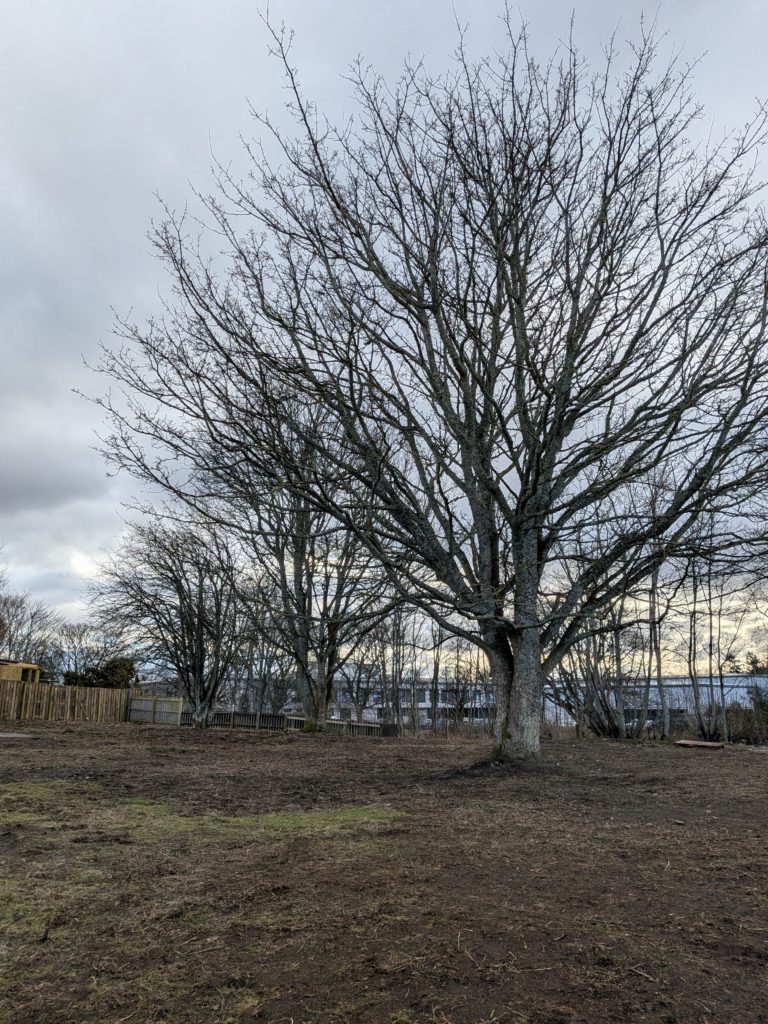
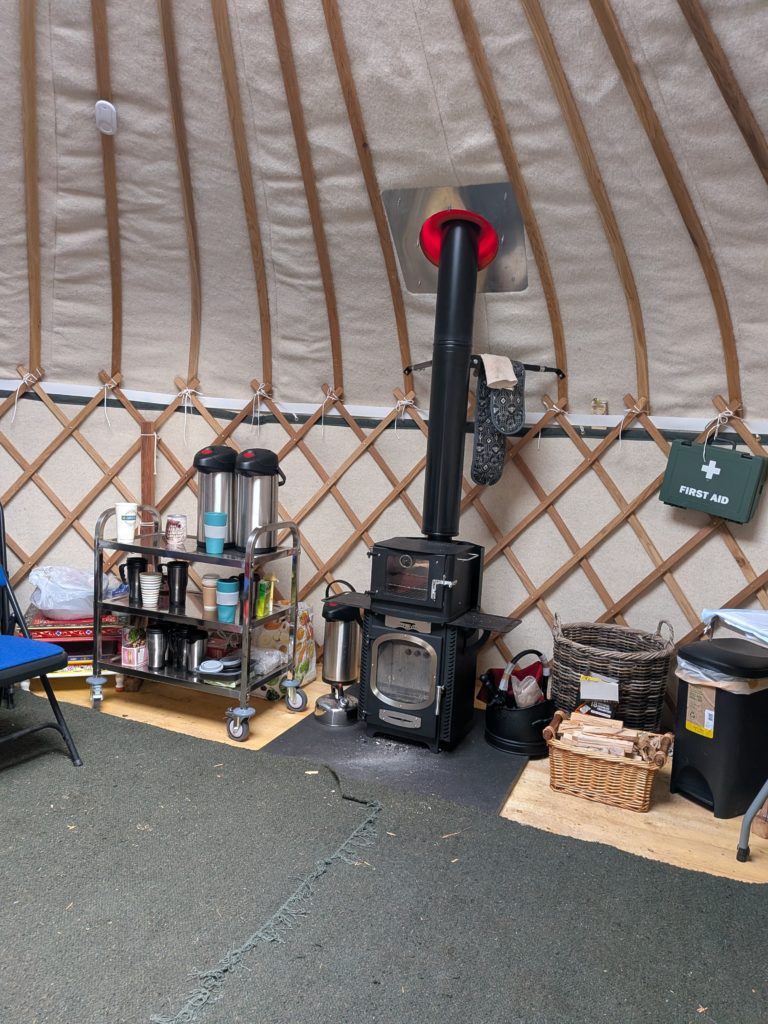
Gill Buck with the Photovoice reportMature trees in the Flip fieldFlip’s new warm spaceBeautiful skylight in community spaceLucy introducing Flip of the CoinPart of the UKRI photovoice exhibition
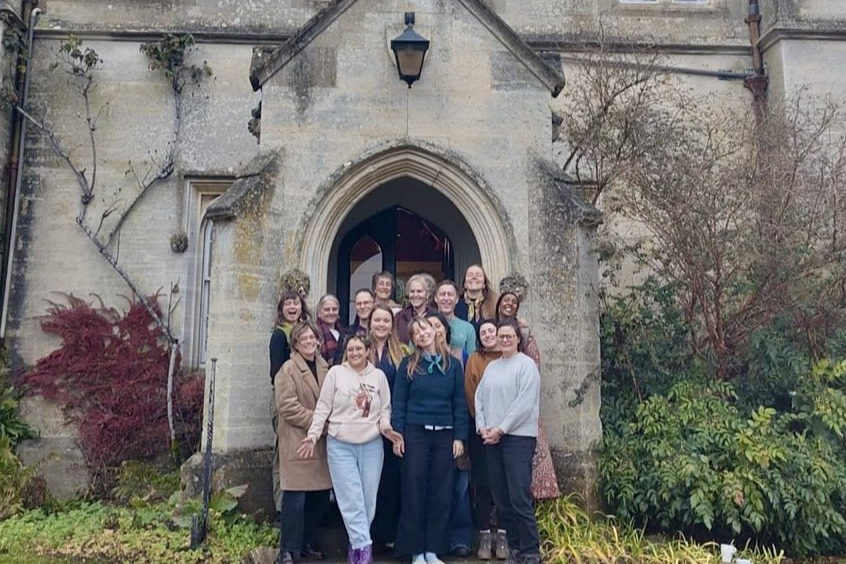
At the start of December, Emma, Paula and Gill attended the very first “Becoming an Imagination Activist” weekend training at Hawkwood College, Stroud, Led by Phoebe Tickell, they embarked on an immersive journey of the imagination, learning new techniques for imagining different futures.
Together we imagined a future world where prisons had been closed and were now places of dark tourism. The revenue funds healing circles and community learning spaces where skilled healing practitioners take a restorative approach to harms. These places are based in nature, connecting people to their environment. As a result, people feel they belong and take care of these places. Love is now one of the most important lessons taught in schools. People master empathy, self regulation and care for self and others. Every street and locality is responsible for the people they live alongside. Local harms are addressed by collective healing circles, where people decide together what repairs are needed. This includes harmful business practices. Those neighbouring the businesses vote and hold leaders accountable.
Our fellow activists reimagined a range of other beautiful futures, including a future education system designed around diverse needs and strengths, future cities which prioritise human and non-human wellbeing, and future food and energy systems focused on sustainability and ethics.
These techniques and practices will be incorporated into forthcoming future-focused work on the project.
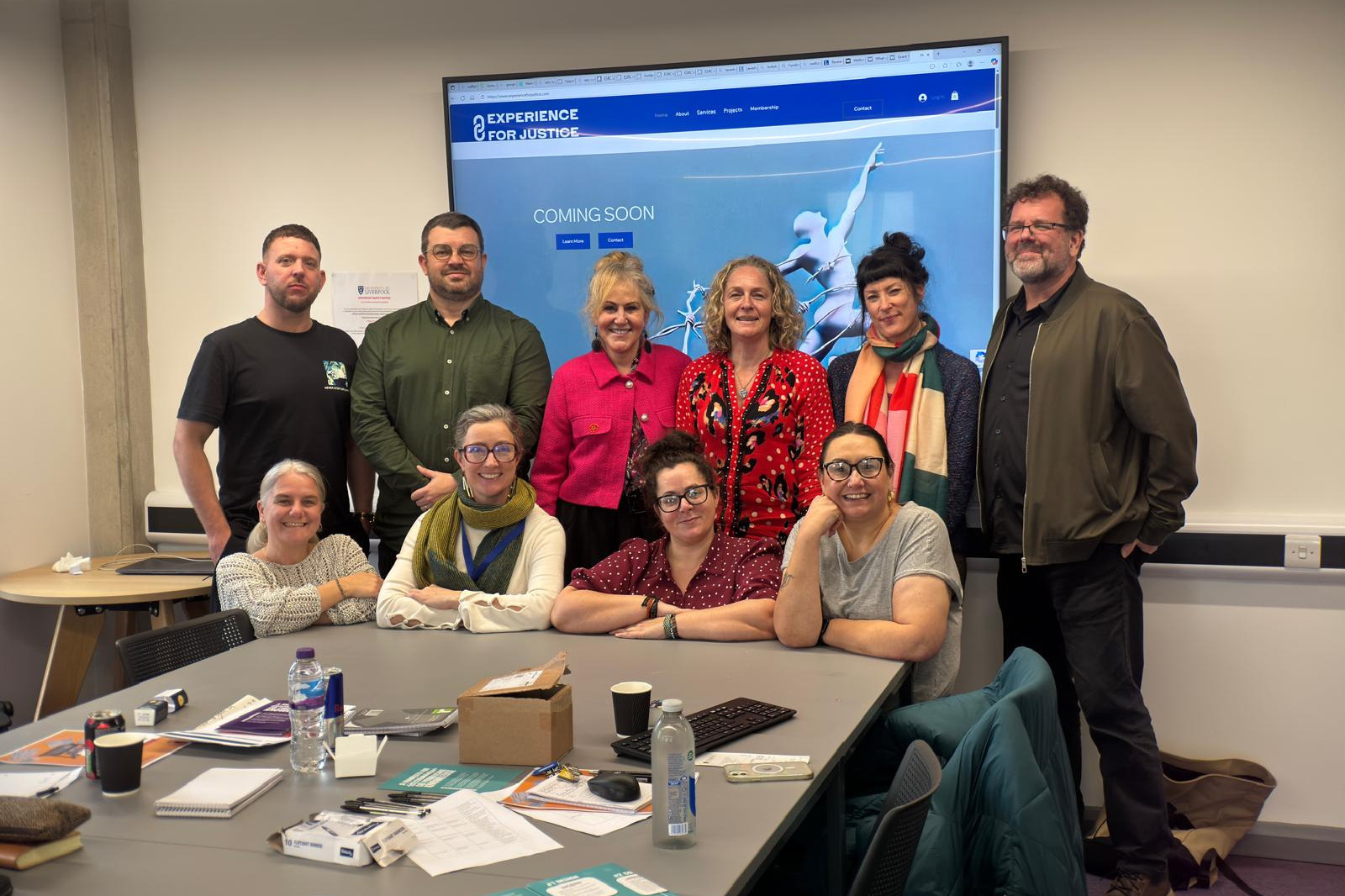
Members of the Experience for Justice Collective (E4J), a key partner in Imagining Possible Futures, gathered at the University of Liverpool for a two-day workshop to shape a shared research agenda and spark momentum for a major community-led research proposal.
4–5 November 2025
Building on earlier gatherings, including the inaugural Sheffield symposium (2023) and E4J presentations at the British Society of Criminology conferences (2024 and 2025), the workshop explored research priorities related to participatory and coproduced criminal justice research.
Participants worked collaboratively to refine the group’s research ambitions and priorities. Sessions included short presentations, group discussions, and thematic exercises designed to strengthen shared principles and develop plans.
Guest contributor Emma Murray (Imagining Possible Futures and Anglia Ruskin University) shared insights on imagination-based work. Drawing inspiration from the work of Shaun Leonardo, Lori Lobenstine and colleagues’ Ideas, Arrangements, Effects: Systems Design and Social Justice. and initiatives like ‘Challenge Labs’ (see e.g., Policy Lab; Holmberg and colleagues, 2015), she highlighted the power of art and collective storytelling as vehicles for building more just and connected communities. Central to the conversation was the concept of reparative infrastructuring (Crean and Murray, forthcoming), which is grounded in radical imagination and radical hope; inviting stakeholders not only to envision alternative futures, but actively construct the frameworks that make those futures possible.
Outcomes
The workshop:
Agreed a set of shared priorities and broad research questions.
Mapped potential funding routes and next steps for proposal development.
Strengthened the Collective’s capacity and networks for advancing its research agenda.
E4J will continue this work through follow-up meetings in 2026.