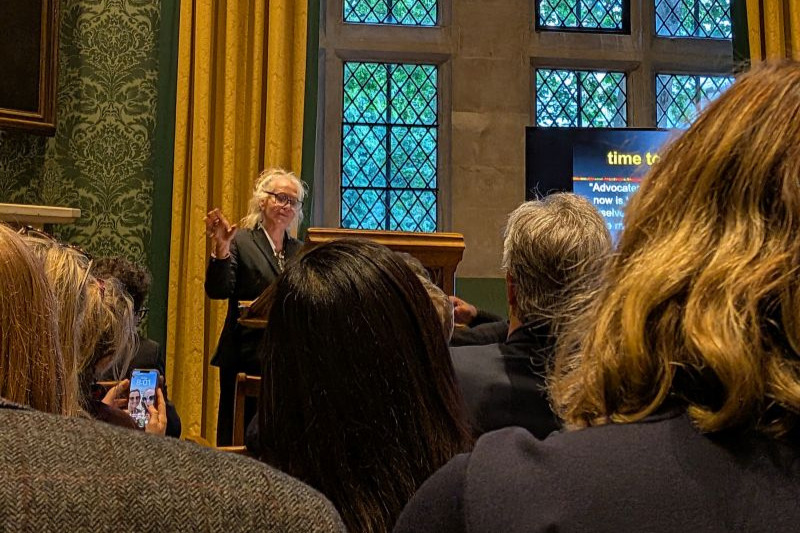
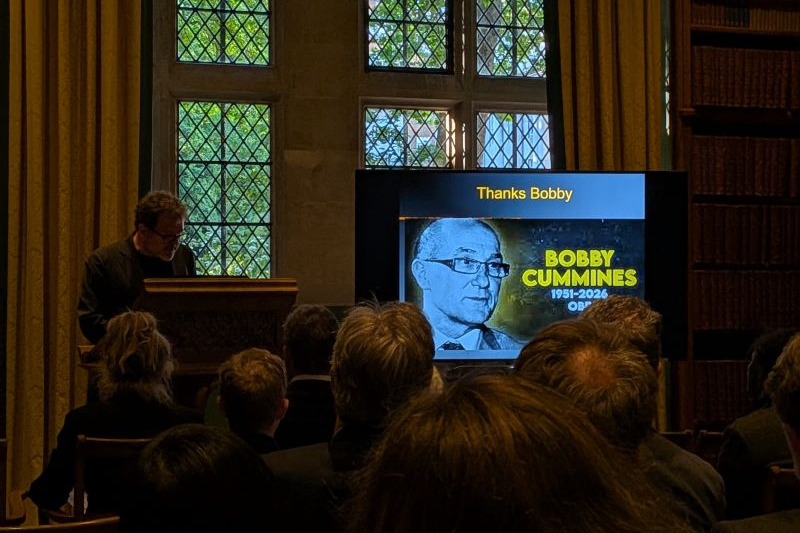
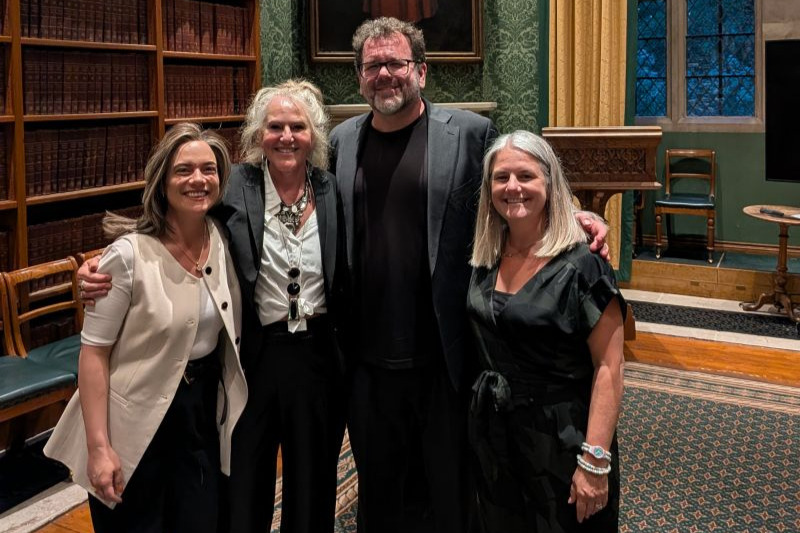
The event was held at the beautiful Lincoln’s Inn, London, in honour of their long serving president, Judge John Samuels KC.
Prof Shadd Maruna
It included a brilliant keynote from Professor Shadd Maruna (UKRI project mentor and Unlock Trustee) and strong, passionate vision from our visiting research lead and Unlock CEO Paula Harriott. Together, they reflected on the organisation’s history and the legacy of its co-founders, including Bobby Cummines, who sadly passed away this year, and shared an important vision for the future.
The event also gave us a further opportunity to share with funders, policymakers and lived experience leaders our own Manifesto for Coproducing Knowledge; which can be accessed here.
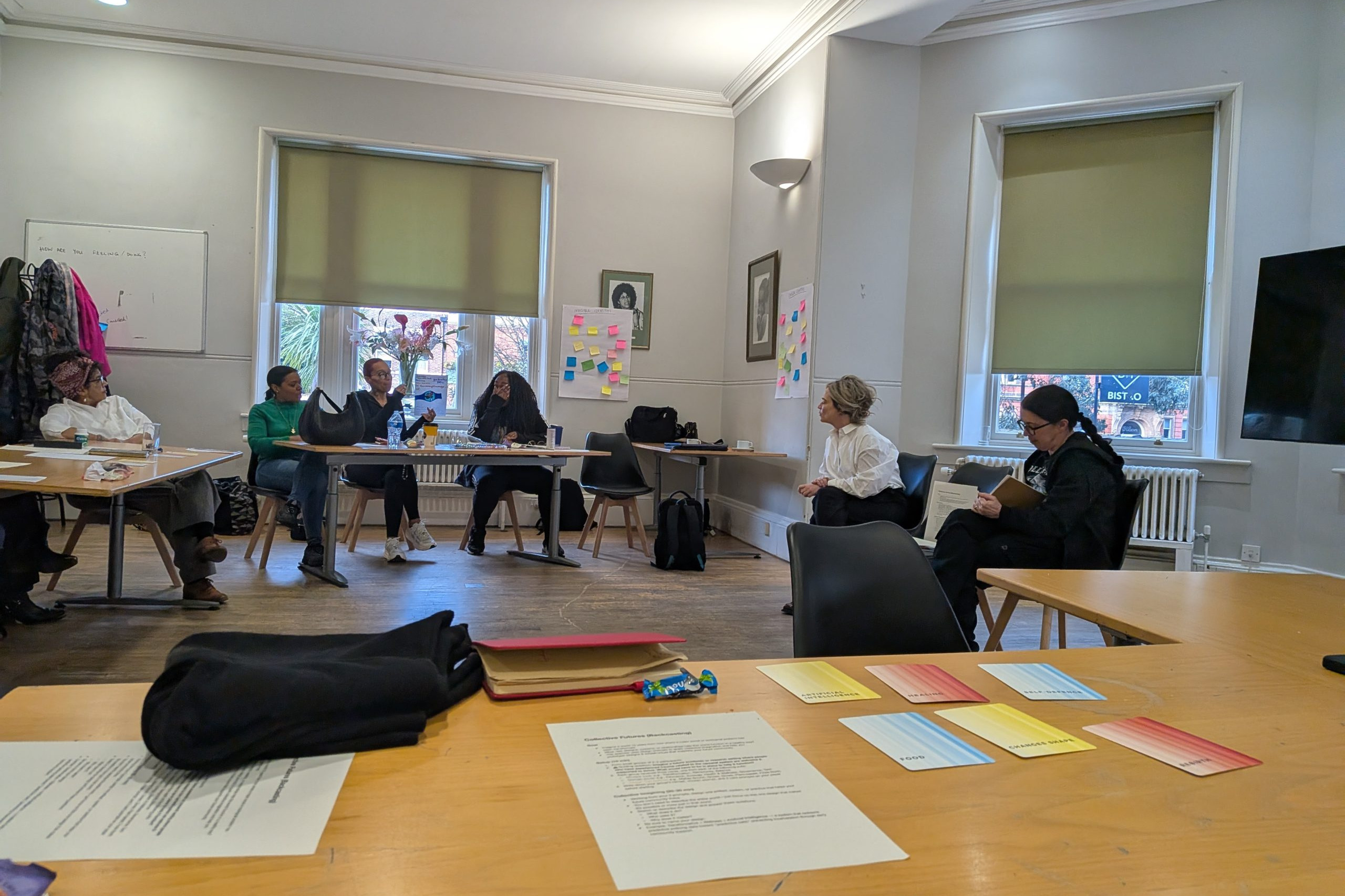
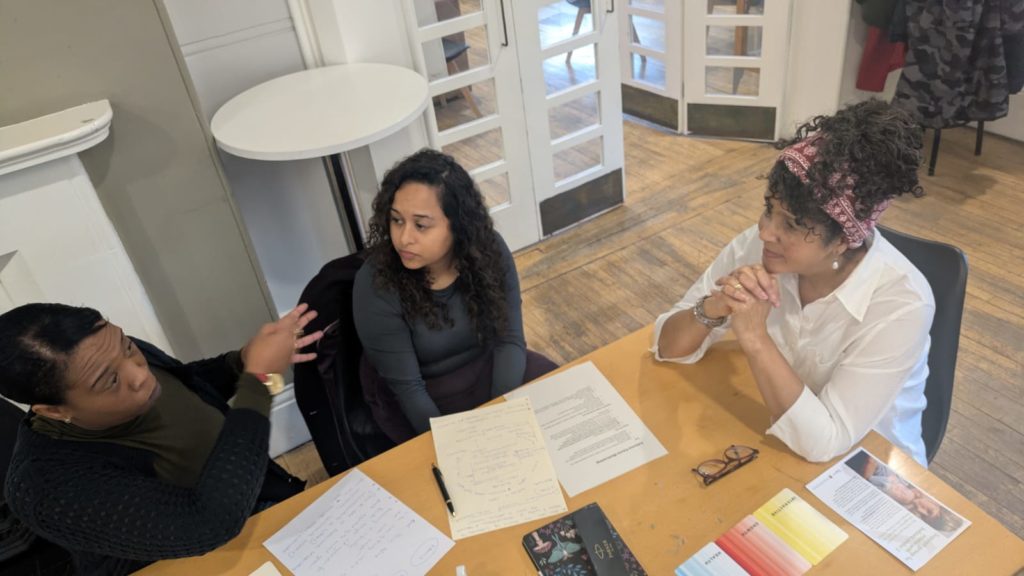
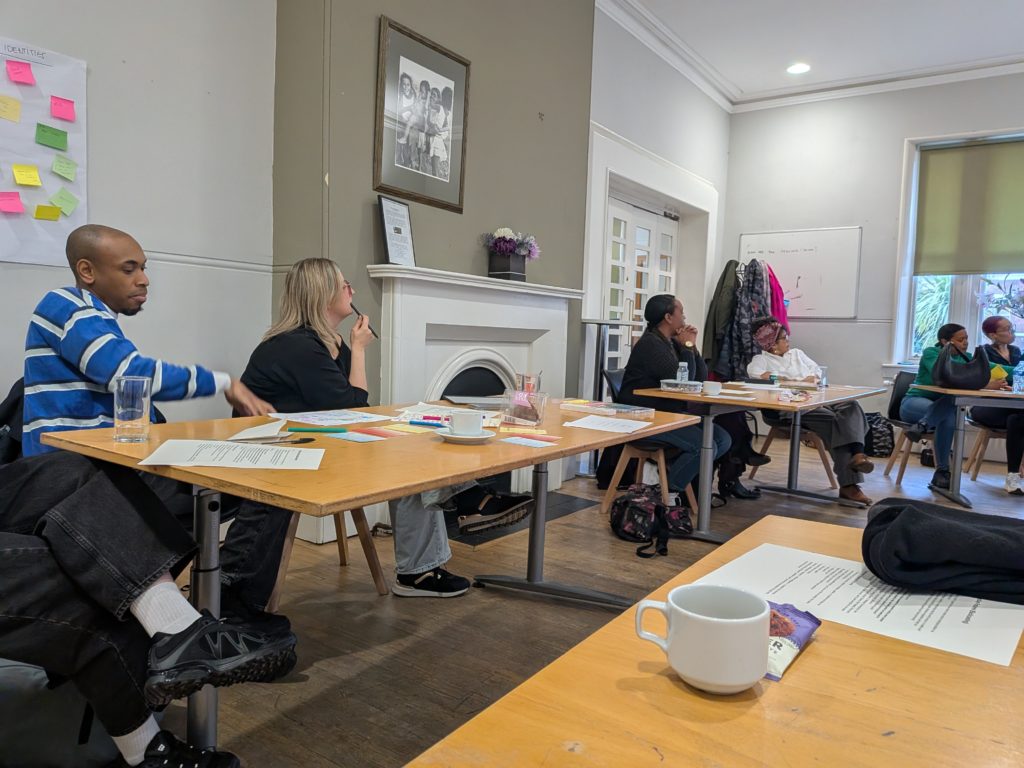
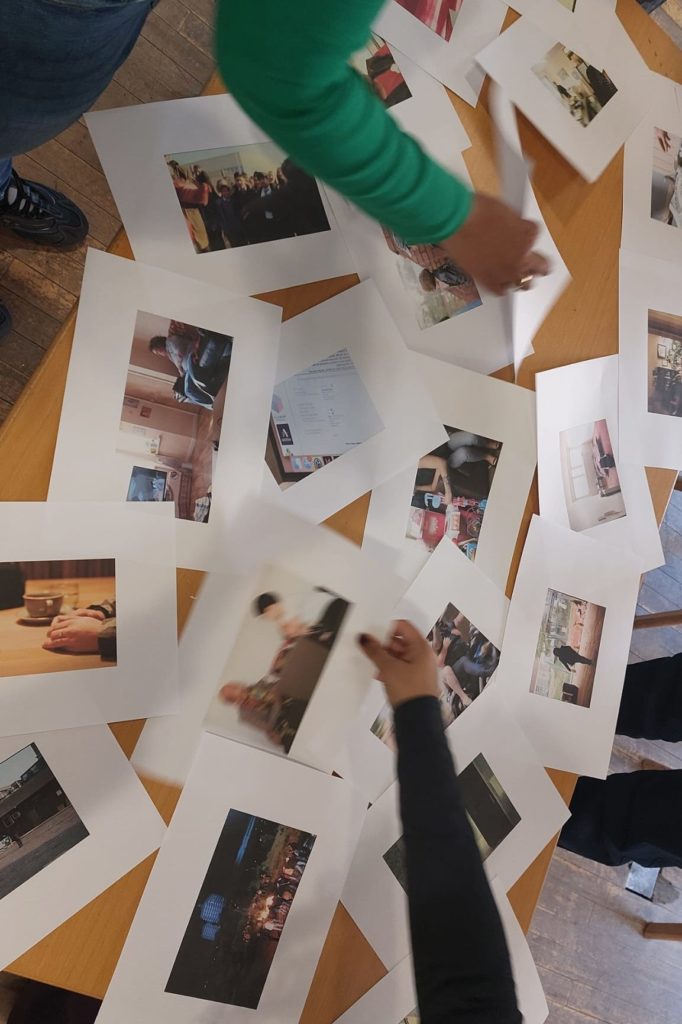
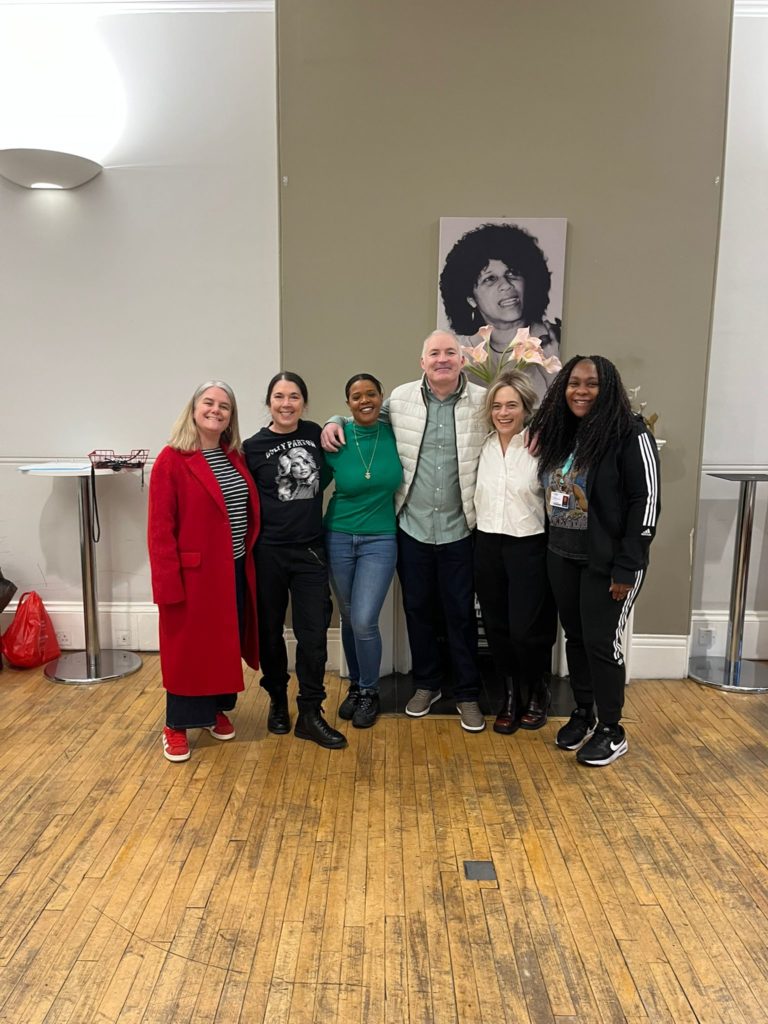
Between 12-15 January 2026, the team, advisory board and stakeholders from university and charity sites worked together to co-test and develop a Compassionate Curriculum. This curriculum has a simple aim: to make universities and workplaces more accessible, humane and less excluding for people with convictions as they enter education and employment. Huge thanks to Dominique, Diane, Sian, Paula, Melanie and Emma for facilitating and to UKRI and ARU Social Sciences Research Laboratory for funding the event.
The seeds of the Compassionate Curriculum were planted between 2019 and 2024, when artist Melanie Crean worked with people in prison to create A Machine to Unmake You. The project facilitated incarcerated people to tell their own stories and design their own systems of care. People explored what it could look like to return home safely and with dignity. The project led to a public gallery exhibition and the start of a working group, who began designing a support system that could one day be tested and put into action.
Collective imagination comes with a responsibility to carry ideas forward and fight for them to become real. This 3.5 day learning in partnership event – initiated by Melanie Crean and our Co-Investigator Emma Murray – therefore brought together two universities and a community-led charity to co-develop, test and develop some support system, or ‘curriculum’ resources. This step honours the commitment made to people who co-developed the idea inside prison.
The curriculum starts by naming the systems that cause harm, such as racism, sexism and ableism, then moves into strengths-based tools that can help people support one another. In the final section, participants look at how people are represented and practice creative problem-solving through storytelling and future-building exercises. It is being developed as an open, flexible, living curriculum, meant to grow and change as future facilitators adapt it to meet the needs of their own communities.
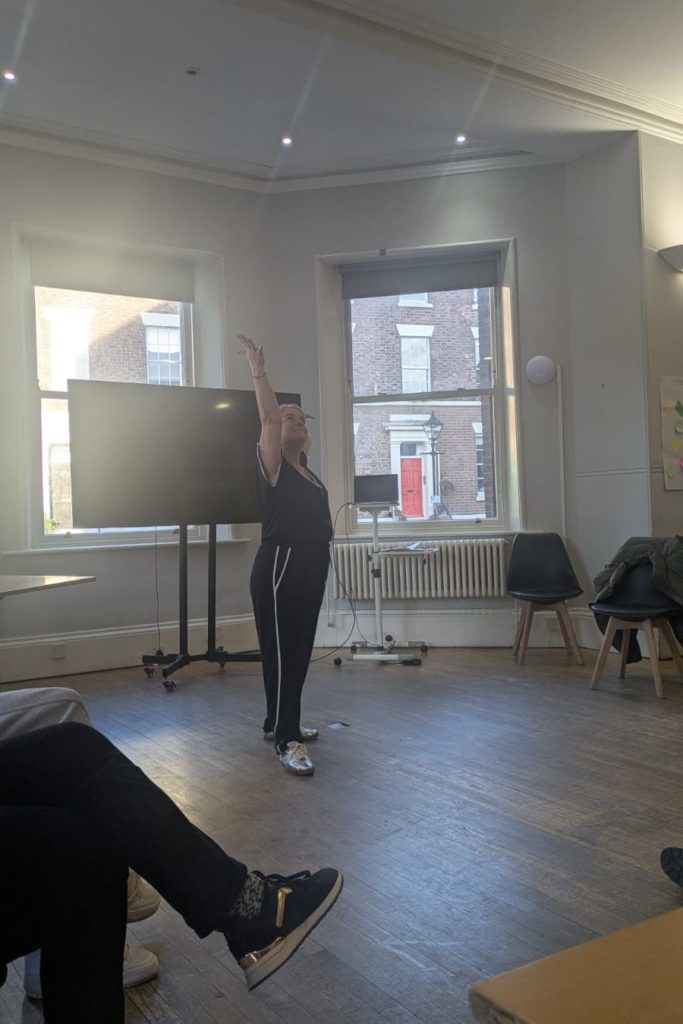
Over the course of the 3.5 days, those developing the curriculum came together for a participatory skill-share of community-led and design based activities. Rather than presenting a finished version of the curriculum, this gathering took the form of a teach-in: a collaborative learning space where facilitators from different sites (universities and charities) experienced, practiced and reflected on its core approaches.
Each of the days were anchored in one of the curriculum’s key pillars: Beloved Community, Restorative Practice, and Futuring. Together, these pillars invited participants to explore relational learning, repair and collective imagination as tools for systemic change. The final half-day was devoted to shared reflection, integration and after-care, creating space to process, rest and look ahead together.
The gathering was an invitation to co-create something thoughtful, responsive and alive through shared intention, creativity and care. Participants left equipped to translate some of the curriculum’s practices into their own institutional and community contexts. Our design partner, Melanie Crean from The New School, New York, will now develop a visual, design based resource, so that the materials can be shared more broadly and our ‘legacy leaders’ can embed practices within communities. Watch this space!
At Birkbeck, London she located the growth of coproduced criminal justice efforts in historical context and debated the practicalities of coproduced research and practice. We learned more about the important work of Muslim Women in Prison (MWIP) and Revolving Doors.
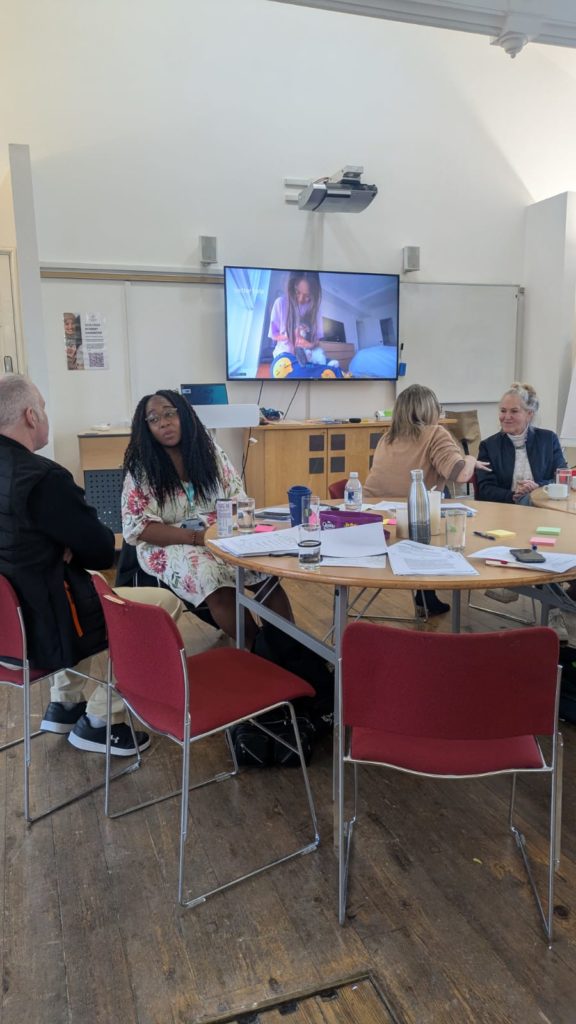
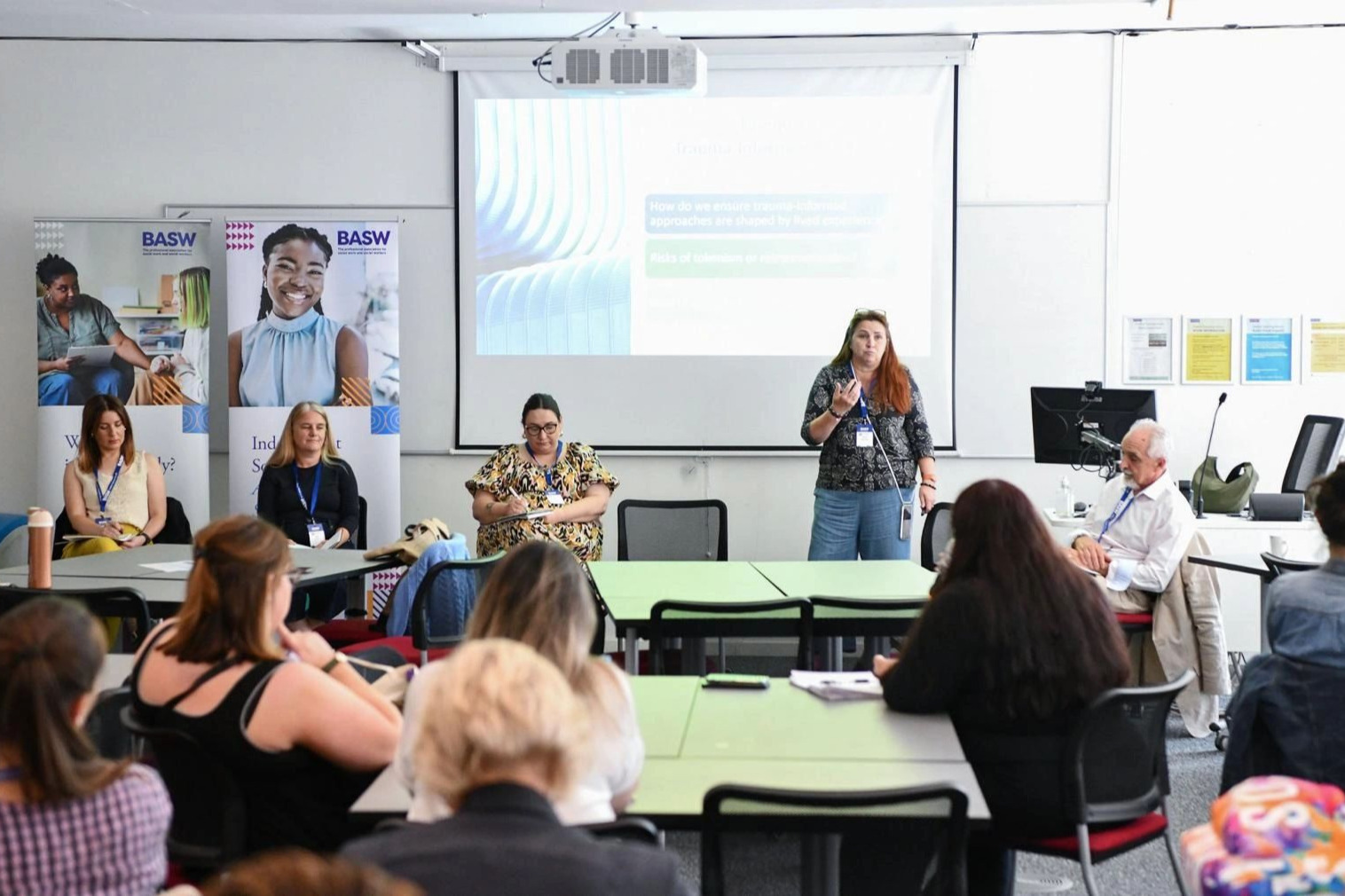
On Thursday, 8 May, Gill Buck facilitated a workshop at the Criminal Justice Research Symposium, Manchester Metropolitan University: Fostering lived experience in research.
She was joined by Jenni Berlin from User Voice and Line Lerche Morck and Martin Celosse-Andersen from Aarhus University, who discussed: How can research be done safely and responsibly with people directly impacted by the justice system? How can this research and experience be best utilised in creating a system that makes society safer?
The event will brought together academics, policy-makers, practitioners, and people with lived experience to explore the theme of a safer criminal justice system.