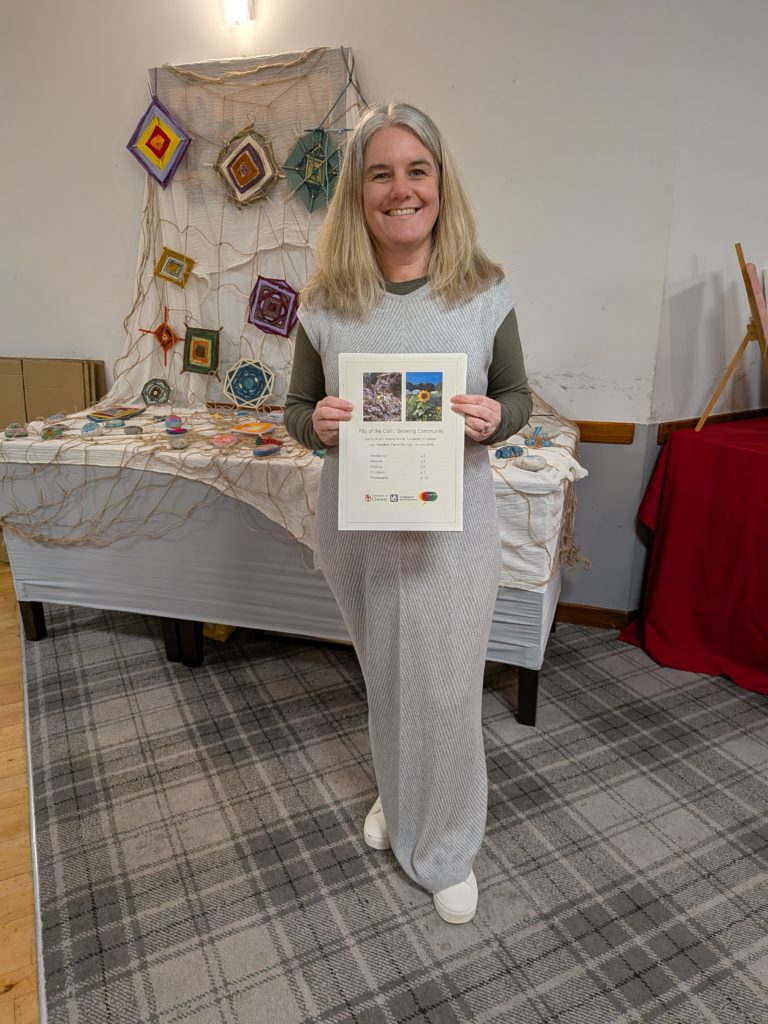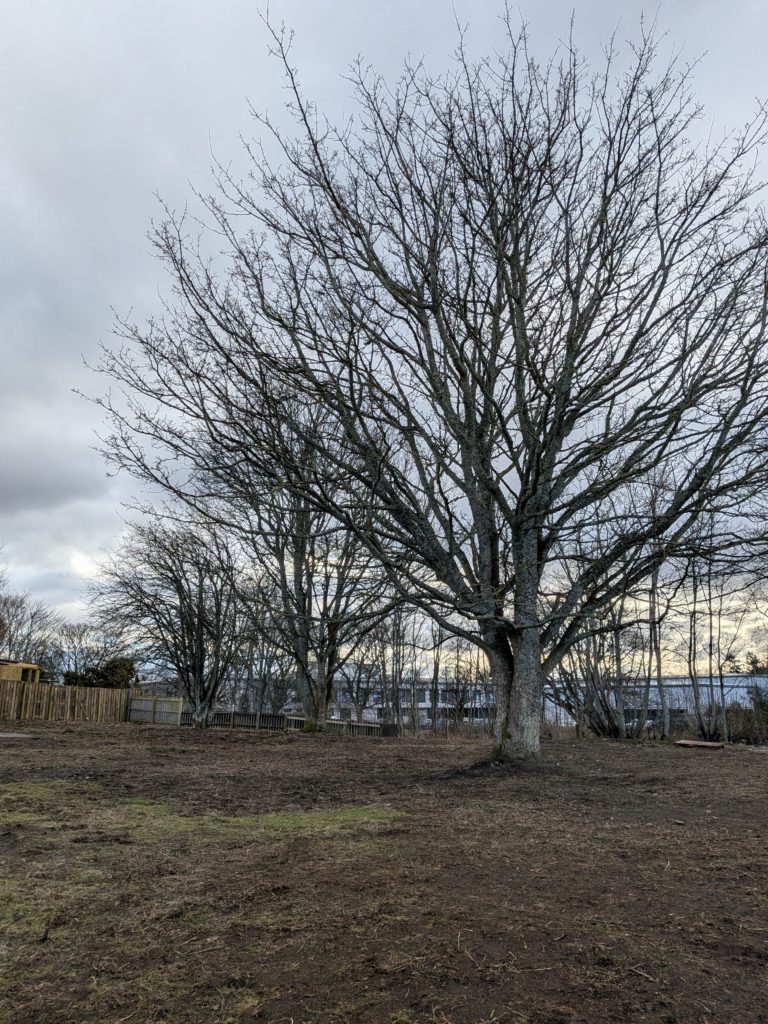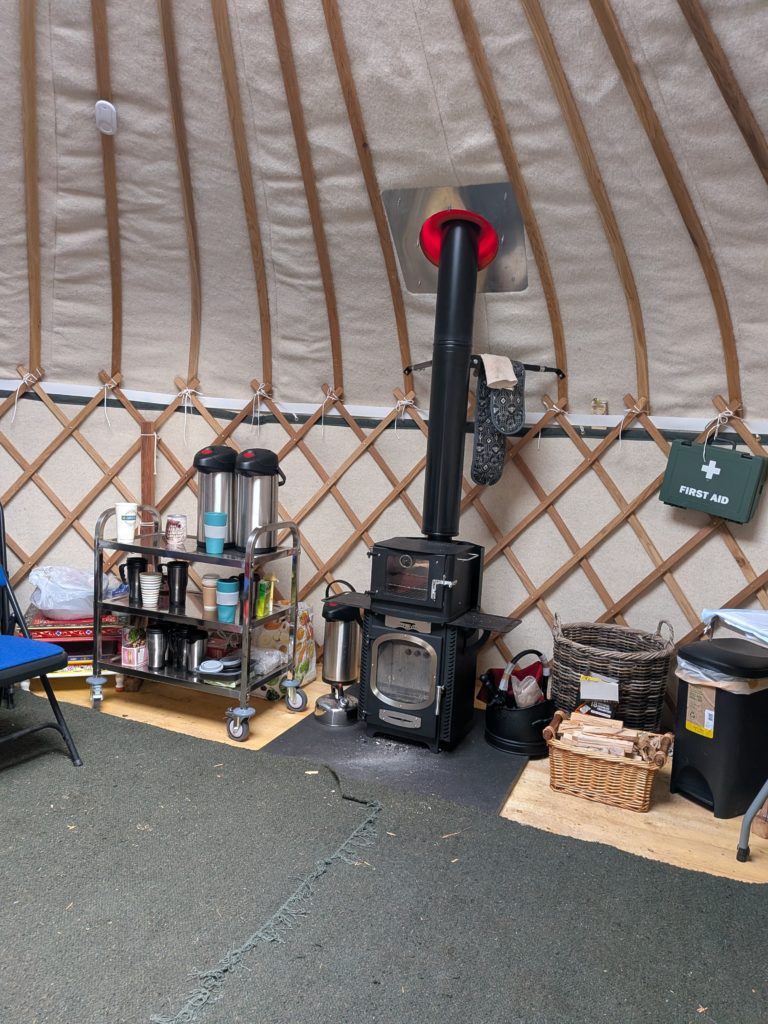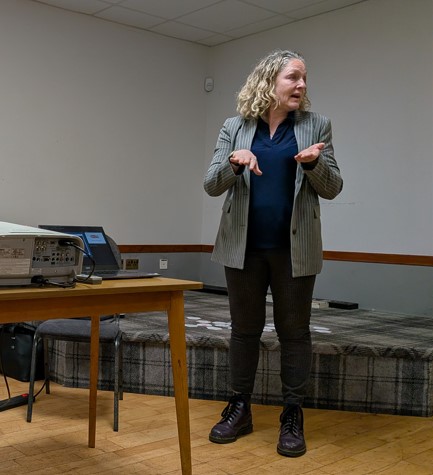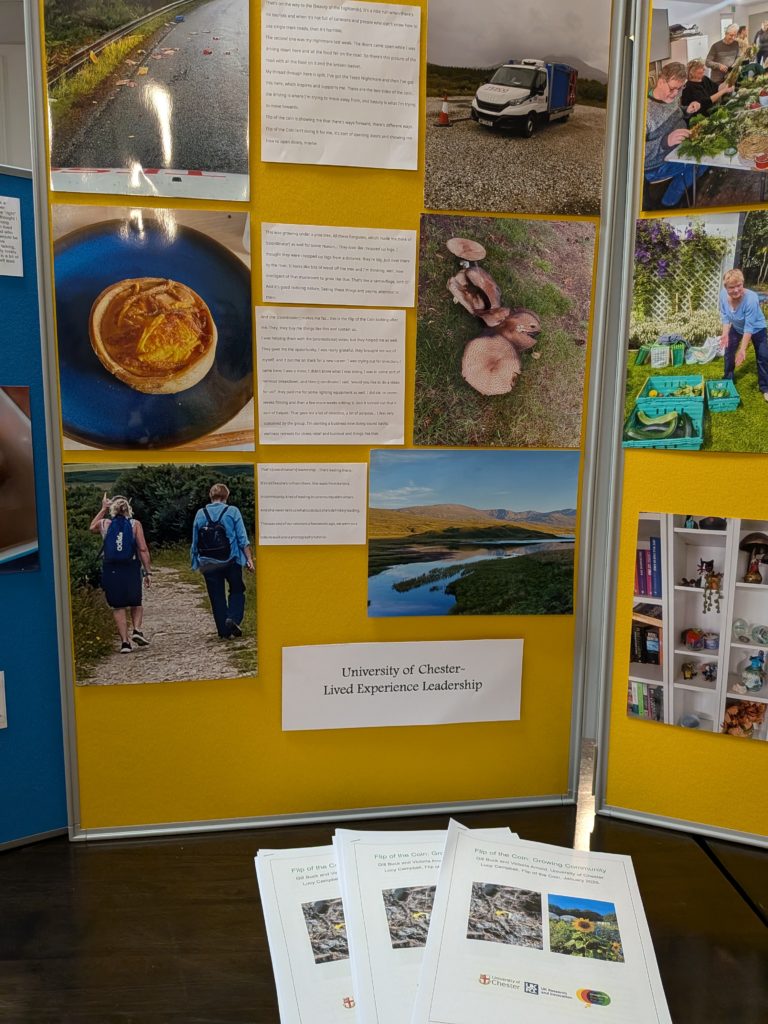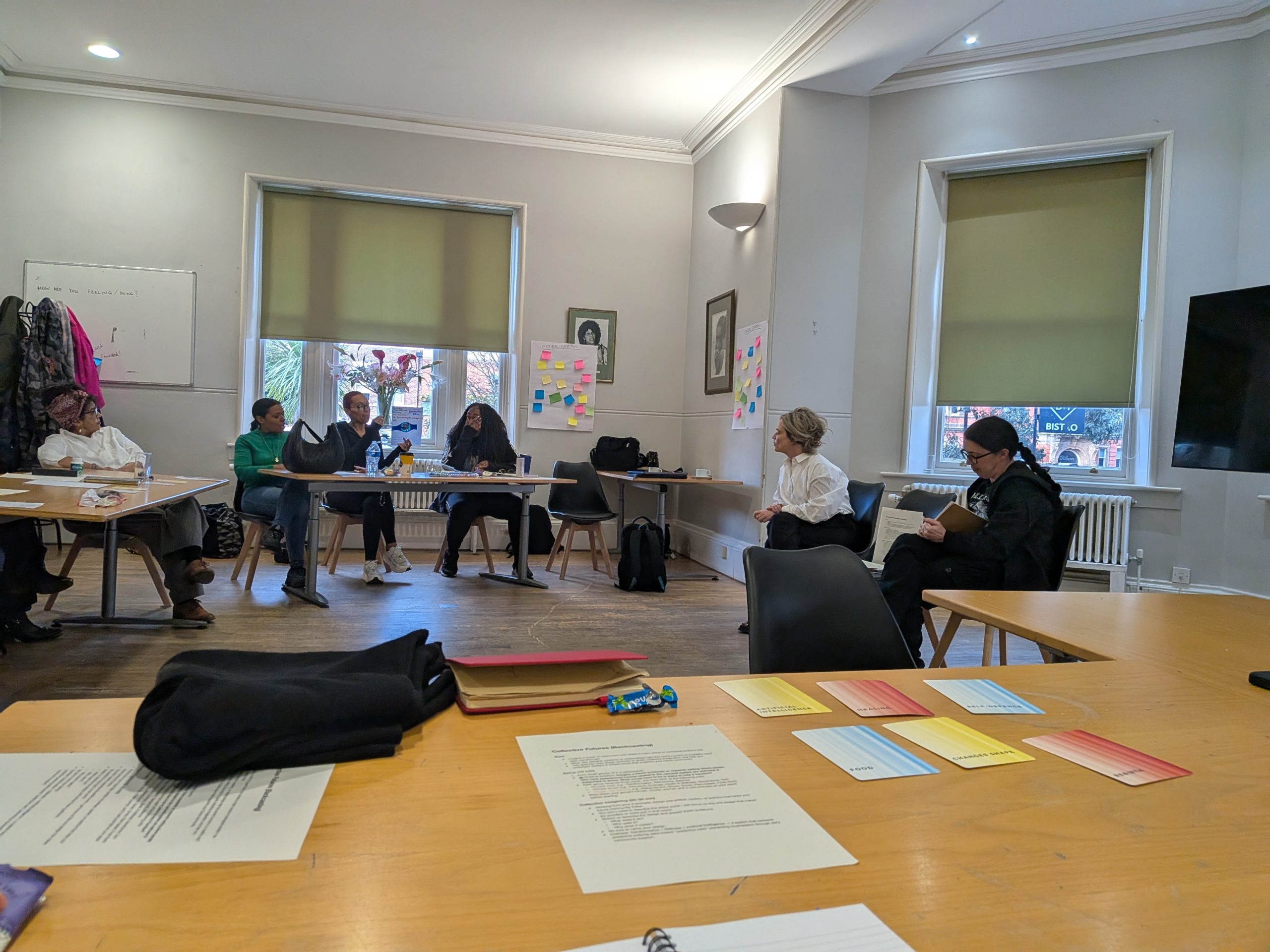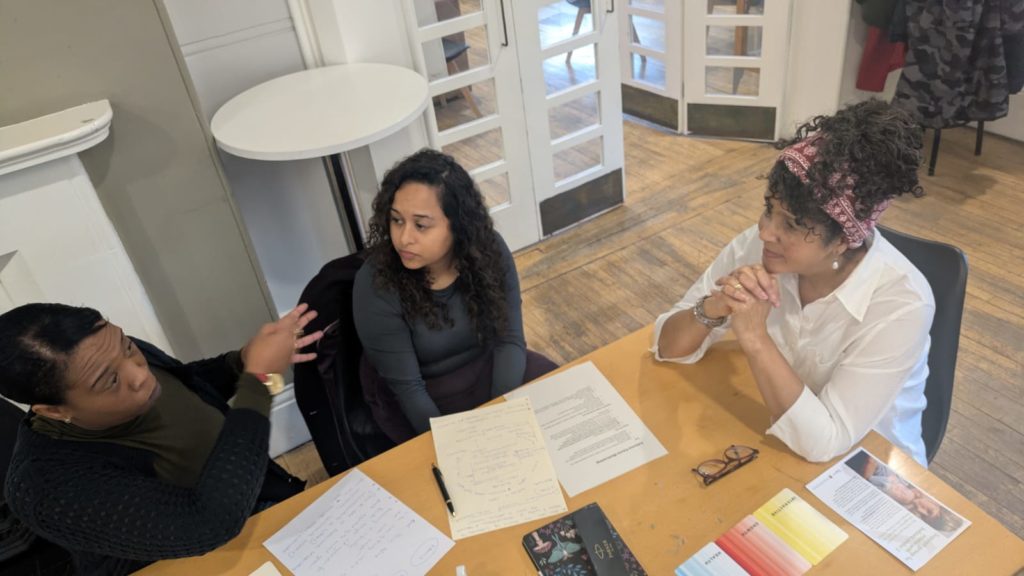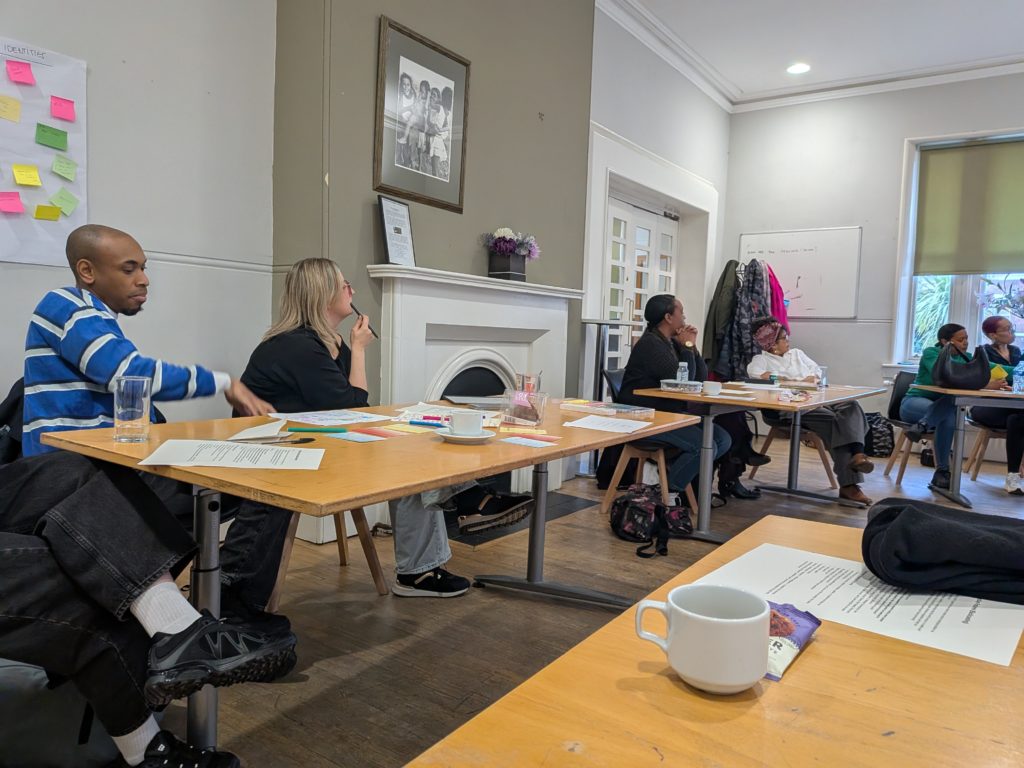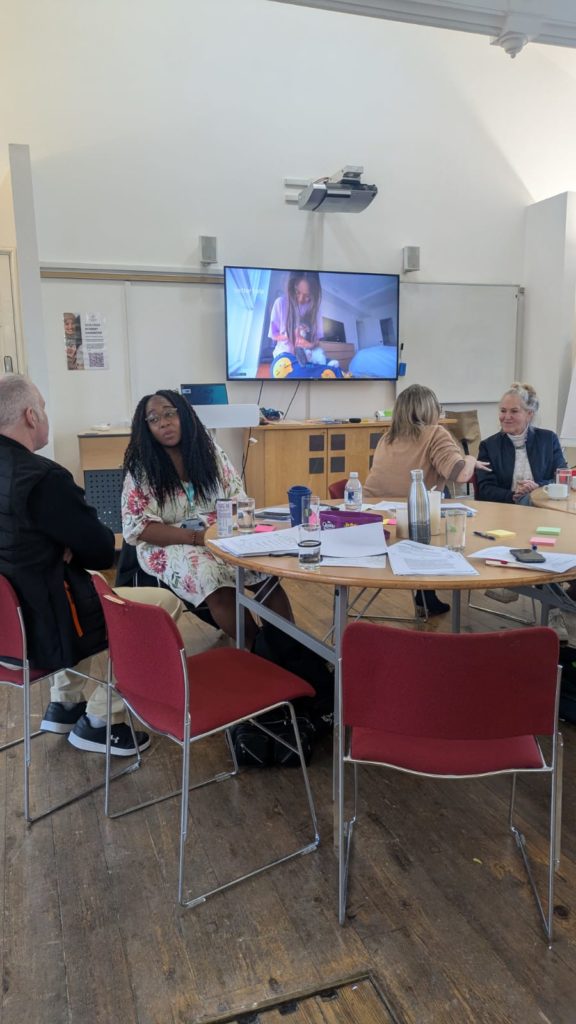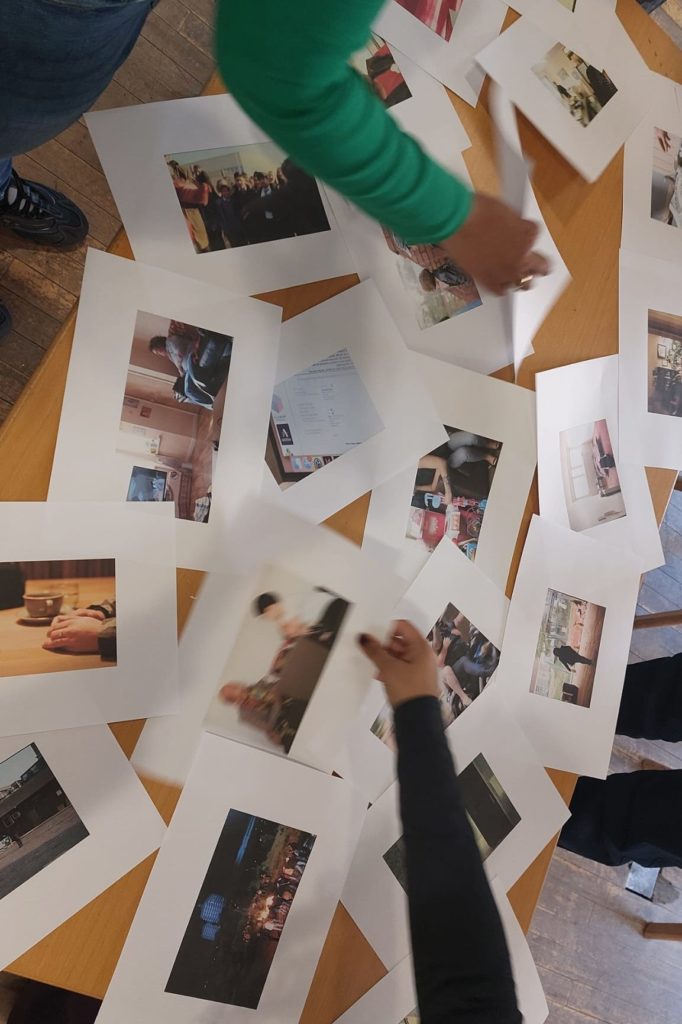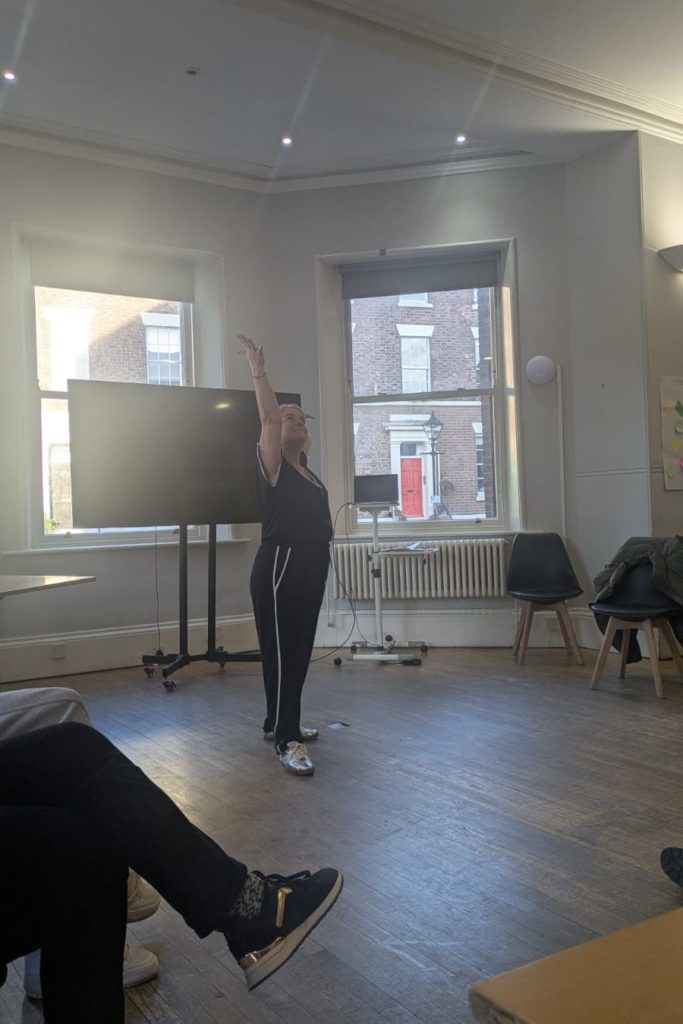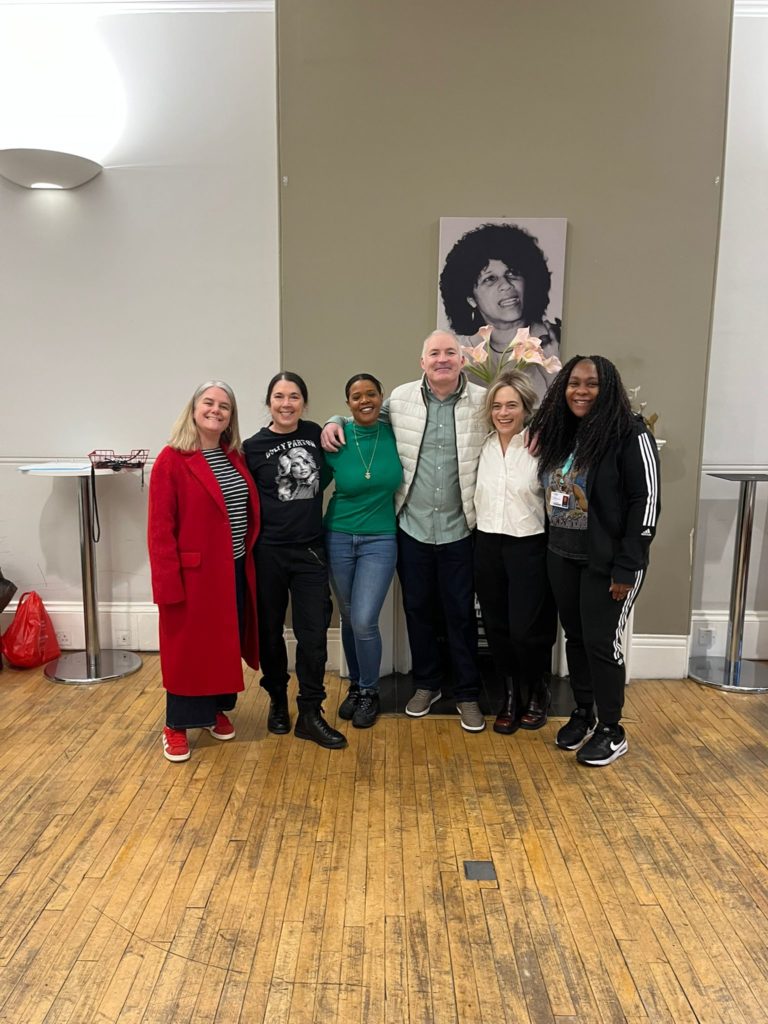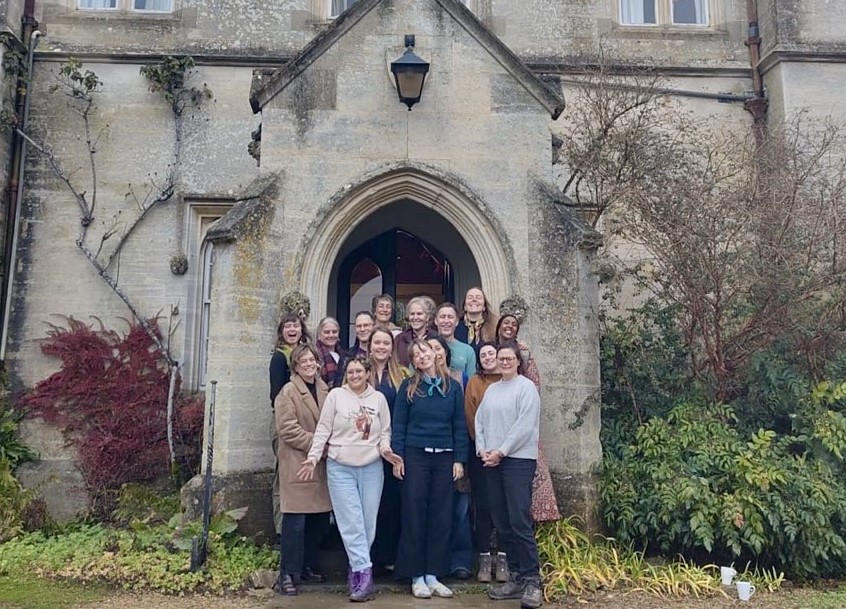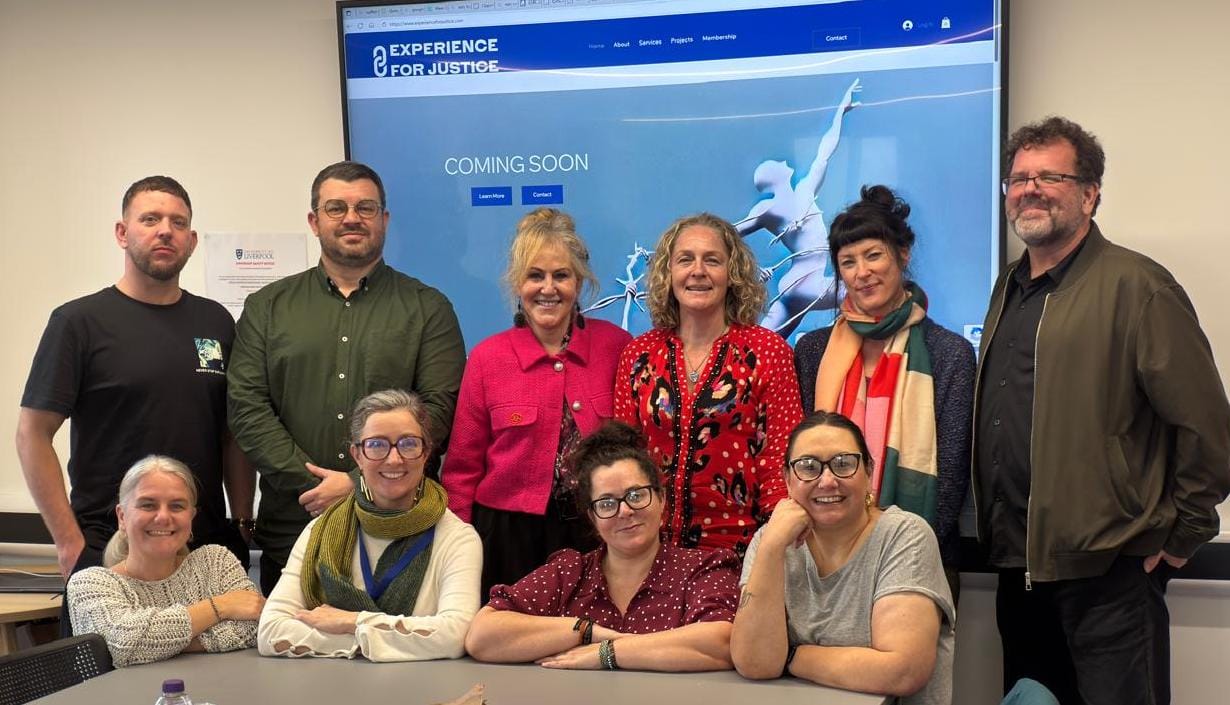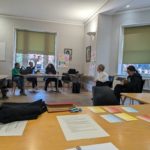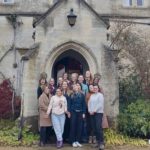
In February 2026, team members attended the Flip of the Coin and REALITIES Conference, Alness, Scottish Highlands to share findings from a photovoice study of Flip of the Coin, a women-led and lived experience driven community organisation in Scotland.
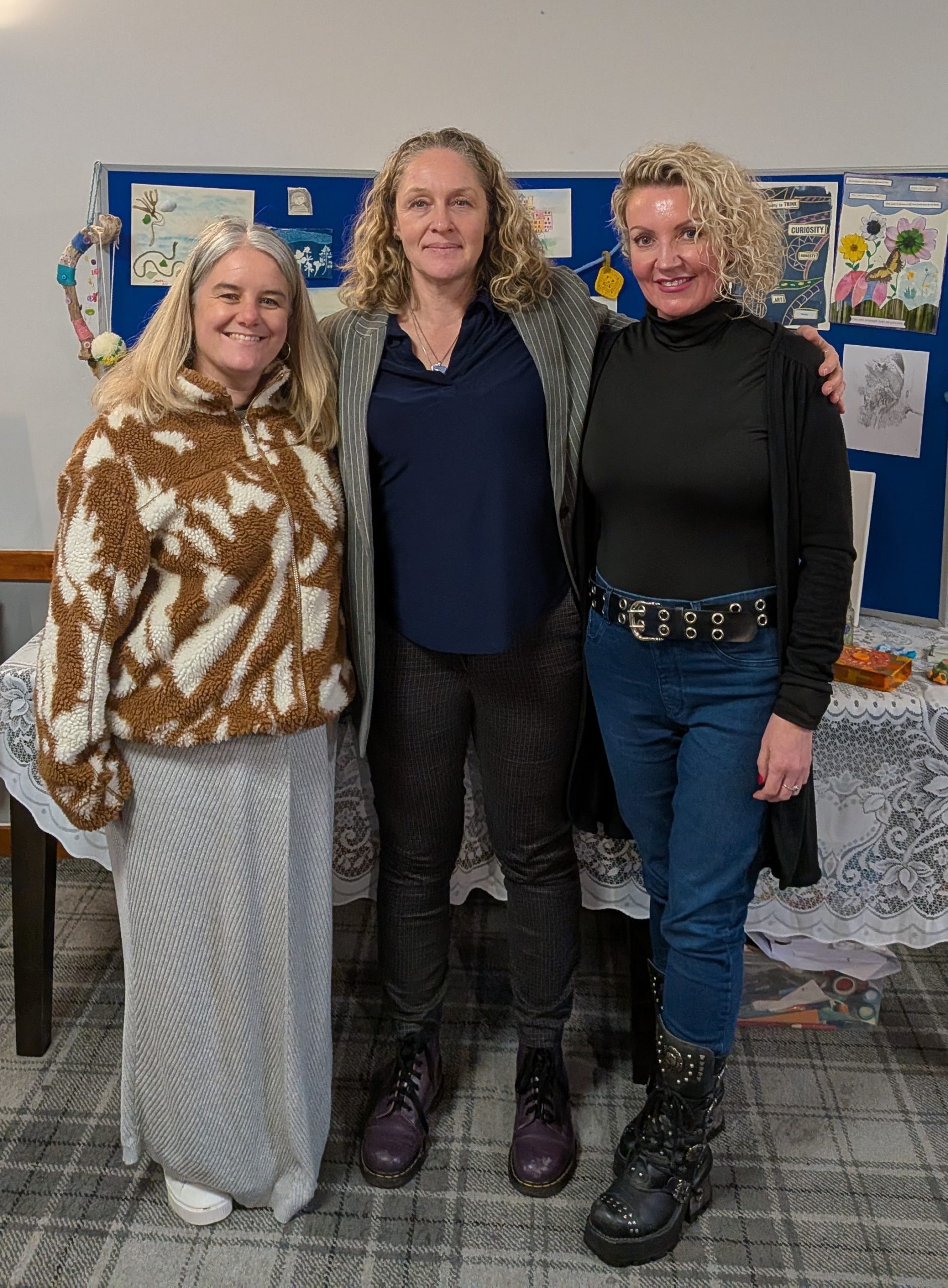
Founded and led by a woman who wanted to create the community she herself had lacked before and after imprisonment, Flip of the Coin is rooted in the belief that lived experiences, particularly of adversity, disconnection and transition can offer important insights to help shape healthier communities.
Set up in 2024, the organisation works to improve people’s wellbeing, confidence and sense of connection through creative, nature based community activities.

The conference included talks from Lucy Campbell, Flip founder, who introduced the work of the organisation, their partners Dr Marisa De Andrade, who introduced the REALITIES research programme, Dr Kath Jones, who has developed a creative GP consulting pathway and network, and collaborator Cecile Taylor MSC who presented a beautiful, coproduced photovoice-collage of the community health benefits of Flip of the Coin.
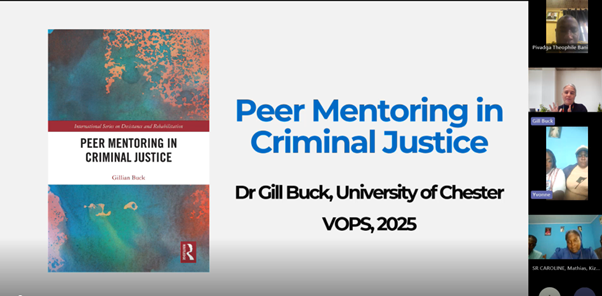
Gill Buck introduced visual findings from a UKRI funded photovoice study of Flip’s lived experience-led community work. The themes from our study, which were codeveloped with people working with Flip of the Coin included Nature, Creativity, Growing Together, Nourishment, Family and New Pathways Forward.
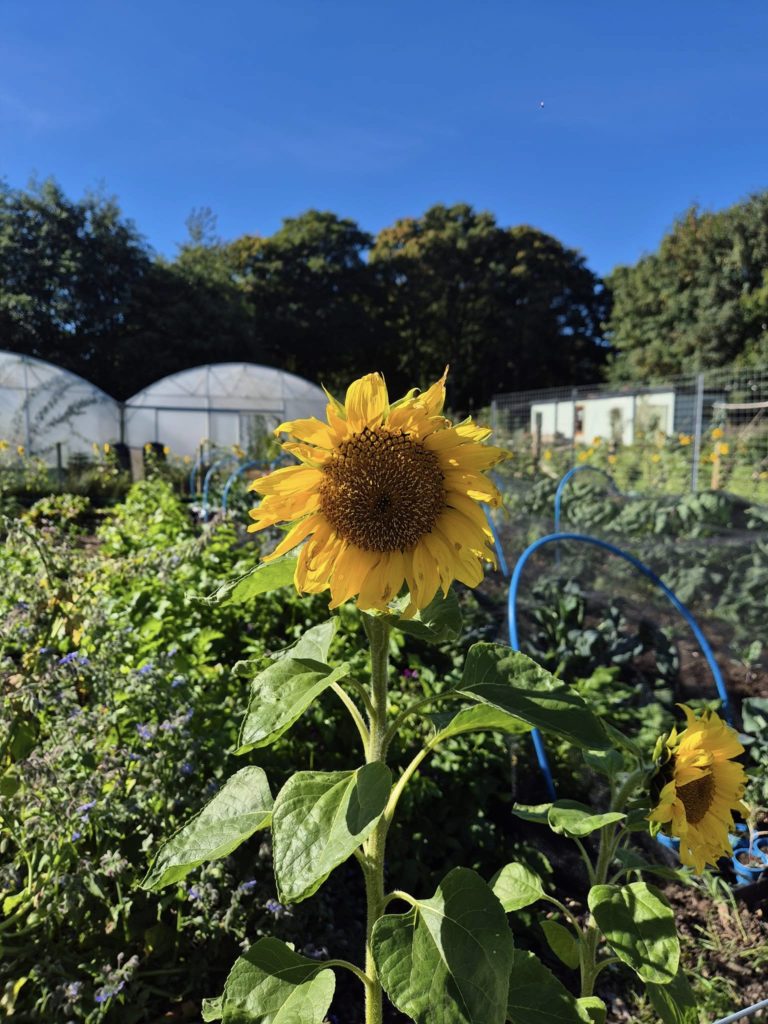
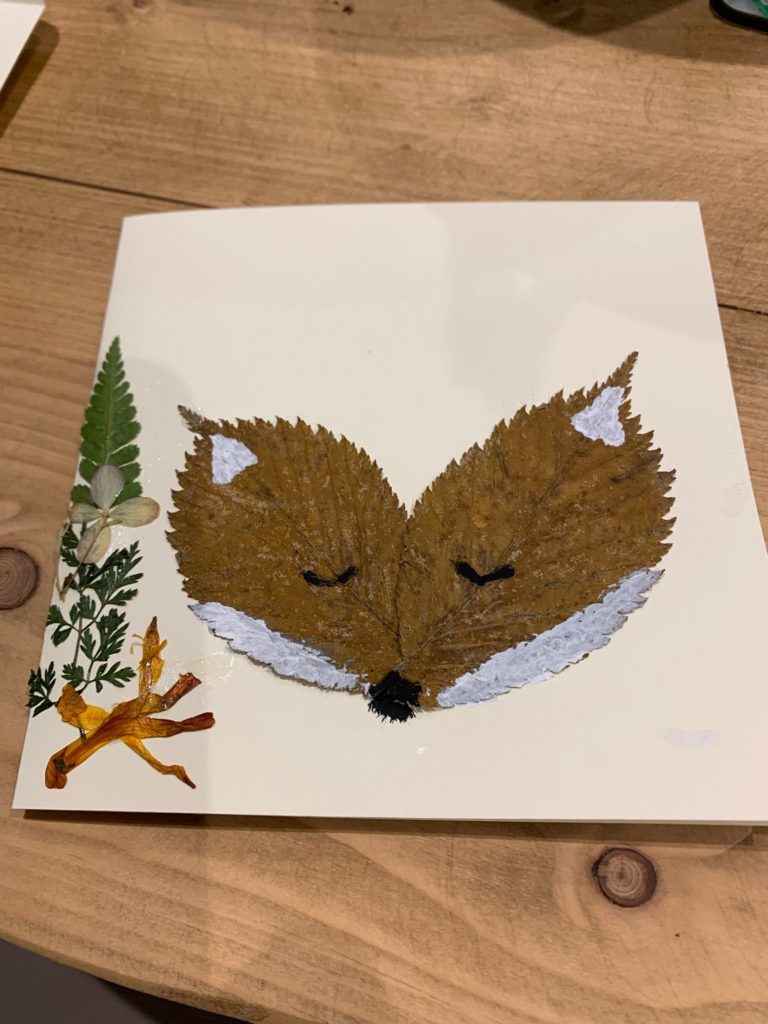

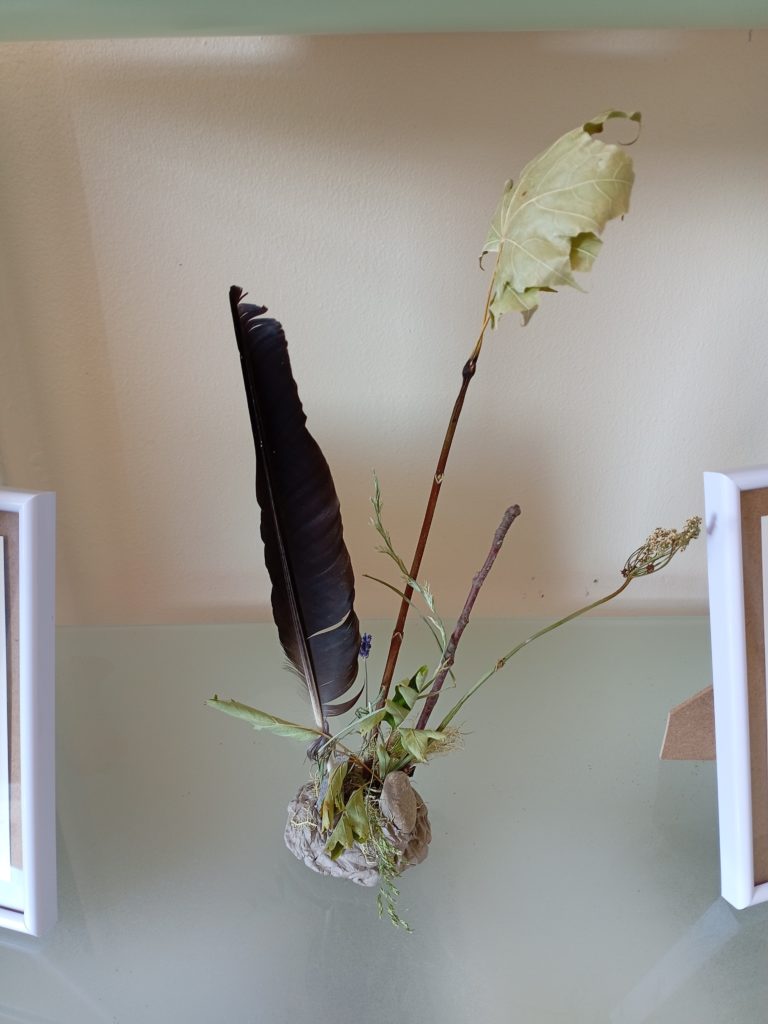
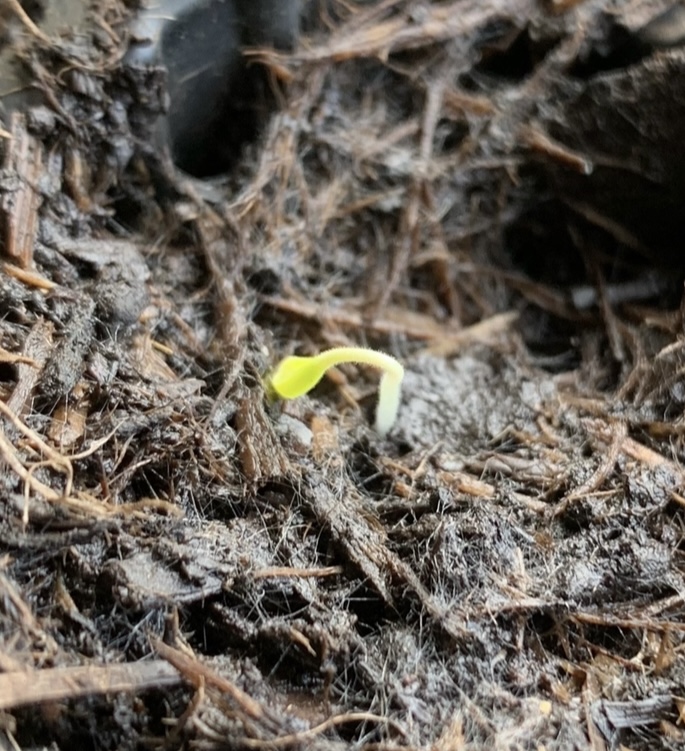

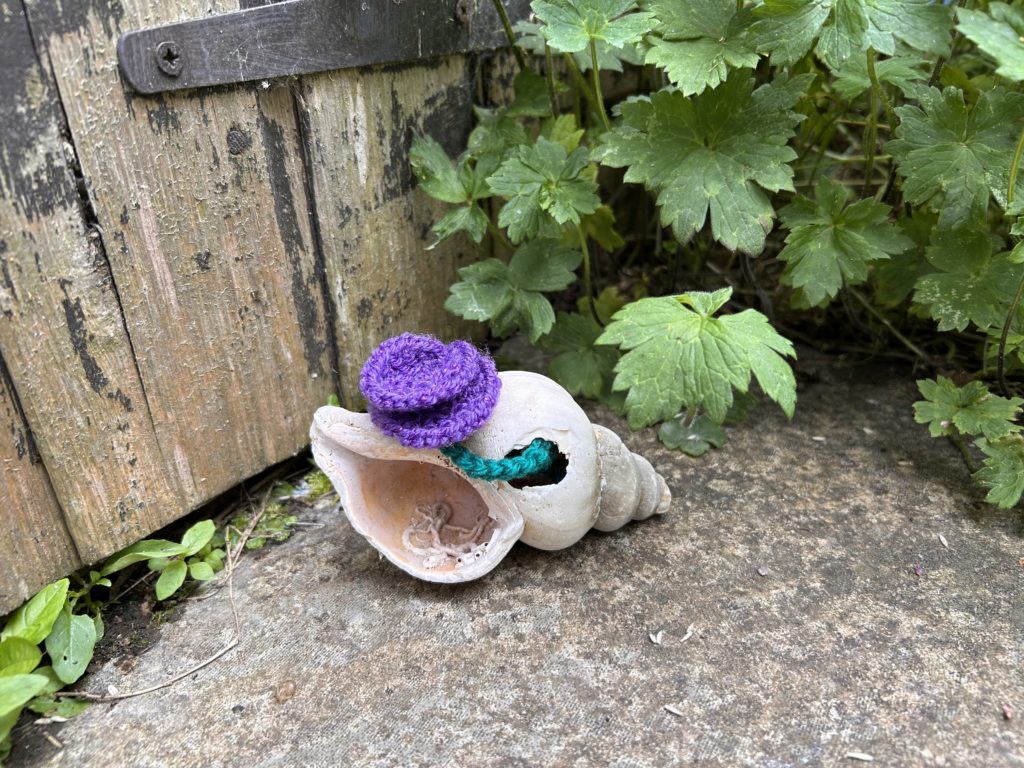
These themes revealed how Flip created conditions for people to grow, feel alive and thrive.
Rather than organising around risks or labels, Flip was built as a shared community space where people meet as human beings.
Through creativity, walks in nature and shared relationships, Flip offered care, connection and belonging in place of judgement. Growth happened collectively, within communities, through trust and mutual support. Creativity restored confidence, while pathways forward became clear through a growing sense of agency.
The organisation therefore provides a blueprint for re-thinking community health and justice. By rooting support in lived experiences of adversity and organising around strengths and belonging rather than deficiency, Flip shows how environments themselves can be structured to nurture growth, connections to others and rootedness in place.